You can sue for a rear-end collision in Salt Lake City if your medical bills pass $3,000 or if you have a permanent injury. Utah uses a no-fault system, but these specific rules let you go beyond standard insurance limits to seek full pay. At Lance Bingham Law, we help victims determine when a case qualifies for a lawsuit to ensure they receive the maximum possible compensation. Clear legal steps help you hold a careless driver responsible for your losses.
Traffic in the Salt Lake Valley has grown fast, leading to more frequent vehicular collisions. Busy areas like Interstate 15 and the I-215 interchange see daily crashes that disrupt lives and cause serious harm. According to the Utah Department of Public Safety, thousands of rear-end collisions occur each year, making them a major concern for local drivers.
Most rear-end collisions occur because a driver is not paying attention to the car in front. Distracted driving, such as texting or checking a map, is a leading factor in these car crash events. Tailgating is another frequent cause, as it leaves no room for a driver to react to a sudden brake check.
What you do in the minutes following a crash can change the outcome of your personal injury lawsuit. Taking the right actions helps preserve evidence and protects your health. Follow these steps to ensure you are prepared for a future claim:
Taking these quick steps ensures your rights are protected from the start. You will have a much easier time proving your case with a solid foundation of facts.
Utah operates under a no-fault insurance system, which changes how you get paid after an accident. This system is meant to speed up payments for minor injuries without the need for a court battle. However, it also places limits on when you can sue the other driver.
In a no-fault state like Utah, your own insurance company pays for your initial medical expenses. This coverage is called personal injury protection (PIP). Every driver in Salt Lake City must carry at least $3,000 in PIP benefits to cover their own care, regardless of who caused the car accident. This system ensures that you can start your recovery without waiting for a long investigation to finish.
You can only file a personal injury lawsuit against the at-fault driver if your case meets a serious injury threshold. Under Utah Code § 31A-22-309, this occurs if your medical bills exceed the $3,000 PIP limit. You can also sue if the accident causes permanent disability, permanent impairment, or permanent disfigurement. Meeting these triggers allows you to seek money for pain and suffering that PIP does not cover.
Knowing the rules of the no-fault system helps you understand your options for recovery. These laws are designed to handle small claims quickly while leaving the door open for serious cases.

In most rear-end collisions, the law assumes the rear driver is at fault. Utah drivers have a duty of care to stay alert maintain safety on the road. If they hit you from behind, it usually means they were following too closely or driving too fast. While this presumption is strong, it can be challenged if the front driver acted in a way that made the crash unavoidable.
Winning your case requires proving four specific things about the other driver's actions. First, you must show they owed you a duty to drive safely. Second, you must prove they breached that duty by acting carelessly. Finally, you must demonstrate that their actions were the actual cause of your injuries and property damage.
Strong evidence is the backbone of any successful car crash claim. Without proof, it is your word against theirs, which insurance companies will use to deny your payout. Your legal team will look for the following items to build your case:
Gathering these details early makes it much harder for the other side to shift the blame. A well-documented case is your best tool for reaching a fair settlement.
Utah follows a rule called modified comparative negligence, which looks at the fault of everyone involved. This law can affect how much money you actually receive at the end of your case.
Comparative fault means that a judge or jury can assign a percentage of fault to involved parties. You can still recover money even if you were partially to blame for the accident. However, your total check will be lowered by the amount of fault you carry. This system aims to be fair by considering the full picture of the crash.
Under Utah Code § 78B-5-818, there is a 50% bar on recovery. If you are 50% or more at fault for the accident, you cannot recover any money at all. For example, if you are 20% at fault and your damages are $10,000, you will receive $8,000. It is vital to have an injury attorney who can argue to keep your fault percentage as low as possible.
Sometimes the driver who gets hit can share some of the blame for the crash. If your brake lights were broken or you suddenly reversed in traffic, you might be found partially responsible. Another example is a brake check, where a driver stops suddenly for no reason to provoke the driver behind them. In these cases, Utah comparative negligence laws will determine how much each person must pay.
A lawsuit allows you to seek payment for many different types of losses. These are divided into categories based on whether they have a specific dollar amount.
Economic damages cover the money you actually lost or spent because of the accident. These are easy to track using bills, receipts, and pay stubs. These payments are meant to put you back in the same financial spot you were in before the crash.
| Damage Type | Examples | Purpose |
| Medical Expenses | ER visits, surgery, and physical therapy. | Covers current and future healthcare costs. |
| Lost Wages | Missed paychecks and loss of future earnings. | Replaces income lost during your recovery. |
| Property Damage | Car repair costs and rental car fees. | Pays to fix or replace your vehicle. |
Non-Economic damages cover the human cost of the accident that does not have a set price tag. This includes the physical pain you feel and the mental stress the crash caused. You can also seek money for loss of enjoyment of life if you can no longer do the things you love. These are often the largest part of a personal injury lawsuit payout.
In very rare cases, the judge may award punitive damages. This only happens if the driver showed gross negligence, such as driving while heavily impaired or acting with malice. Punitive damages are meant to serve as a warning to others not to engage in such dangerous behavior. Most rear-end collisions do not reach this level, but your lawyer will check if it applies to your situation.


The path from an accident to a settlement involves several legal stages. Each step of the process aims to uncover the truth and find a fair value for your claim.
Your priority must be getting the right medical treatment for your injuries. Common issues like disc herniations or knee injuries may not show up right away, so follow-up care is vital. Your doctors will create the medical files needed to prove the extent of your harm. Keeping a diary of your daily pain also helps show the impact the crash has on your life.
Shortly after the crash, an insurance adjuster will likely reach out and talk to you. Be careful, as they may use your words to lower your payout or blame you for the accident. It is usually best to let your lawyer handle these talks to avoid making mistakes. We ensure the insurance company respects your rights and complies with local insurance rules.
If the insurance company does not offer a fair amount, your attorney will file a formal complaint in court. This starts the official lawsuit and sets a timeline for the case. Most personal injury claims are settled before they reach a trial, but filing shows the other side you are serious. We handle all the paperwork and filing fees so you can focus on healing.
The discovery phase is the time when both sides exchange evidence and information. This often includes sharing witness testimony, medical records, and expert reports. Lawyers may also take depositions, which are sworn statements given under oath. This step gives both sides a glimpse of the case's strengths and weaknesses before moving forward.
Many judges require parties to try mediation before going to trial. This is a meeting where a neutral person helps both parties to reach a fair settlement. It is often a faster and less stressful way to finish a case than a full trial. If a deal is reached here, the case ends, and you get your check much sooner.
If a settlement cannot be reached, your case will go to a trial. Your attorney will present and argue your case to a jury of your peers. The jury will then decide who was at fault and how much money you should receive. While trials are rare, having a team ready for court proceedings gives you more leverage in negotiations.
A local attorney knows the specific details of Utah law and how it applies to your crash. We understand how the $3,000 PIP threshold works and how to meet it. This knowledge prevents you from making small mistakes that could end your claim. We stay up to date on all changes to ensure your case follows the latest legal standards.
A car accident claim involves many moving parts, from medical liens to liability insurance limits. Your lawyer handles the complex task of organizing all your records and meeting court deadlines. This work ensures that your case moves as quickly as possible through the system.
Insurance companies usually look for ways to pay you the smallest amount they can, often blaming policy rules to avoid giving you what you deserve. They may also try garnishing wages or delaying payments to pressure you into a low offer. Your lawyer knows these tricks and will fight to ensure you are treated fairly. We don't back down until we see an offer that truly covers your needs.
Whether in a boardroom or a courtroom, your lawyer is there to tell your story. We represent your interests and fight for the highest possible financial compensation. This support gives you the confidence to turn down low offers and hold out for what you deserve. Our goal is to secure a future where your bills are paid, and your health is a priority.
At Lance Bingham Law, we work on a contingency basis, which means you don't pay us unless we win. There are no upfront contingency fees, so you can get high-quality legal help regardless of your bank balance. This alignment of interests means we are just as motivated as you are to get the best result. You can focus on your recovery while we take on the financial risk of the case.
Can I sue if I only have whiplash or soft tissue injuries?
Yes, you can sue if these injuries result in medical bills exceeding $3,000. Many whiplash cases require expensive physical therapy and imaging that quickly meet this threshold.
What if the other driver was uninsured or underinsured?
If the driver who hit you has no insurance, your own policy might have a policy limit to cover your bills.
How long does a rear-end collision lawsuit typically take?
Most cases take between six months and two years to finish. The time depends on how long your medical treatment lasts and if the insurance company cooperates.
Will my case go to trial, or will it settle?
Most rear-end collision claims settle out of court through negotiations. However, we prepare every case as if it is going to trial to get the best settlement offer.
What if I'm partially at fault for the rear-end accident?
You can still recover money as long as you are less than 50% at fault. Your total settlement will be lowered by the percentage of blame you carry.
Do I have to report the accident to the Utah Department of Public Safety?
Under Utah Code § 41-6a-402, you must report a crash involving injury or over $2,500 in property damage. This report is a vital piece of evidence for your claim.
The moments after a rear-end collision are often confusing and stressful. Taking prompt action by calling a lawyer ensures that your rights are protected from the start. At Lance Bingham Law, we are committed to helping you understand the no-fault insurance system and identify the best path toward a full recovery.
Seeking justice means holding negligent drivers responsible for the harm they cause. Our team will work to gather witness statements, analyze dash cams, and build a case that demands fair pay. We understand the impact of lost wages and medical bills on your family’s future. Contact us today for a free consultation and let us help you move forward with confidence.

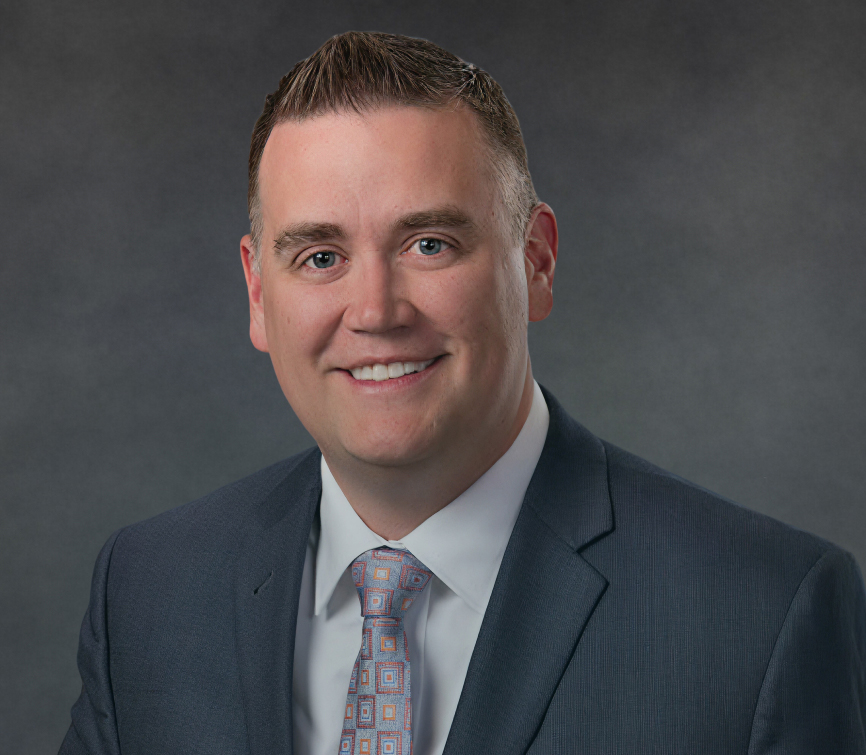
Dustin specializes in serious accident and injury cases in Utah and Idaho, practicing in State and Federal Courts. He's recognized as "Utah's Legal Elite," a "Mountain States Rising Star," and a member of The National Trial Lawyers Top 100. He holds an Avvo Superb Rating and is actively involved in legal associations, serving as a judge pro tempore for the Utah Supreme Court. A Utah native, Dustin earned his degrees from the University of Utah. He lives in Farmington with his wife and three children, enjoying family time, flying, and various outdoor activities.
Schedule Your
Free Consultation
