A contingency fee is an attorney fee paid out of the money recovered in your case rather than out of your pocket.
If there is no recovery, there is no attorney fee. Most personal injury clients in Salt Lake City hire counsel this way because it removes the cost barrier at the moment they can least afford one.
What are contingency fees in practice? They are a shared-risk arrangement in which our compensation depends on the outcome of your claim. At Lance Bingham, our Salt Lake City personal injury attorneys handle injury claims on a contingency fee basis, and you can reach us at 801-869-6800 for a free case evaluation.
A contingency fee ties the attorney fee to a percentage of whatever the claim produces. Nothing is billed by the hour, and no retainer is deposited up front.
The arrangement shifts the financial risk of the claim from the injured person to the firm. That risk is real, which is why firms evaluate the facts and the available insurance carefully before accepting a case.
Hourly billing charges for time regardless of result. A client pays for every phone call, letter, and filing whether the claim resolves favorably or not.
A retainer works as an advance deposit against those hourly charges. Both models require money the day representation starts. Contingency representation reverses the order. The fee is calculated at the end, from the recovery, under the percentages stated in your signed agreement.
Injury claims often take months of medical treatment and negotiation before anyone knows what the case is worth. Billing by the hour during that period would price most injured people out of representation entirely.
Tying the fee to the result aligns both sides. Under a contingency agreement, an injured person generally does not owe the following while a claim is open:
Utah does not leave contingency fees to handshake terms. Utah Rule of Professional Conduct 1.5 governs what the agreement must contain and how the fee must be documented at the end.
Reading the agreement closely matters more than comparing advertised percentages. Two firms quoting the same percentage can leave a client with different net amounts depending on how costs are handled.
Rule 1.5(c) requires that a contingency fee agreement be in writing and signed by the client. An oral fee arrangement does not satisfy the rule.
Rule 1.5(c) also directs that the agreement state specific terms. Those required terms are:
Item four above changes the math substantially, and it is the term most often skimmed. Calculating the fee on the gross recovery, then deducting costs, leaves the client with less than deducting costs first and calculating the fee on the remainder.
Ask which order applies and ask for the answer in the document. Rule 1.5(c) entitles you to see it there.
Rule 1.5(c) requires that at the conclusion of a contingency matter, the lawyer provides the client with a written statement of the outcome. Where there is a recovery, that statement must show the remittance to the client and the method used to determine it.
An itemized accounting at the end is a client right, not a professional courtesy. Ask for it if it does not arrive.
Utah does not cap contingency fees in ordinary injury claims. Percentages are set by agreement and are constrained by the reasonableness requirement in Rule 1.5(a).
Most Utah injury firms use tiered percentages that rise as a claim advances, because the work and the firm's financial exposure both increase. Tiers commonly track three stages: resolution before a lawsuit is filed, resolution after filing, and resolution at or after trial.
Percentages in the Utah market generally fall in the range of one third to 40% of the recovery, though the figure depends on the firm and the claim. Lance Bingham states its exact percentages in its written fee agreement, and we go through them with you before you sign anything.
Medical malpractice is the exception. Utah Code § 78B-3-411 provides that in a malpractice action against a health care provider, an attorney may not collect a contingent fee exceeding 33-1/3% of the amount recovered.
That limit applies regardless of whether the recovery comes by settlement, arbitration, or judgment, and regardless of whether an appeal is involved. No comparable statutory ceiling applies to car accident, premises liability, or other ordinary negligence claims in Utah.
Rule 1.5(a) bars a lawyer from making an agreement for, charging, or collecting an unreasonable fee or an unreasonable amount for expenses. The rule lists factors relevant to reasonableness, including:
Case costs and the attorney fee are two different things. The fee compensates the firm for legal work. Costs are out-of-pocket expenses the claim itself generates.
Conflating the two is the most common source of surprise at settlement. A percentage quoted without a cost discussion is only half the picture.
Expenses vary with how far a claim travels. Typical categories include:
Many Utah injury firms advance these expenses as a claim proceeds and seek reimbursement from the recovery. The Utah Rules of Professional Conduct permit a lawyer to advance court costs and litigation expenses, including medical examination expenses and the costs of obtaining and presenting evidence. Those same rules prohibit lawyers from funding a client's living expenses.
Cost policies differ between firms, and so does what happens to advanced costs when a claim produces nothing. Ask both questions before signing, and confirm the answers appear in the agreement.
Gross recovery is the headline number in a settlement or verdict. Net recovery is what reaches the client after the attorney fee, case costs, and any liens or reimbursement obligations are resolved.
Evaluate an offer on the net figure. A firm should be able to walk you through that calculation in writing at any point in the claim.
Attorney fees and case costs are not the only claims on a recovery. Utah law gives certain parties a right to be paid from settlement proceeds, and fault rules can reduce the gross figure before anything is distributed.
Utah's Hospital Lien Law entitles a hospital that treated an accident patient to assert a lien against the judgment, settlement, or compromise belonging to that patient. The statute is important for a reason clients rarely expect.
Under Section 38-7-1, the lien attaches to the patient's portion less the amounts paid for attorney fees, court costs, and other necessary expenses incidental to obtaining the recovery. In other words, the attorney fee and costs come out first, and the hospital lien is measured against what remains.
Health insurers and, in motor vehicle claims, personal injury protection carriers frequently assert reimbursement rights against a recovery for benefits already paid. These obligations are negotiated, verified, and resolved before funds are distributed.
Reducing a lien or reimbursement claim raises the client's net recovery without changing the settlement figure at all. That negotiation is part of the work a contingency fee covers.
Utah applies modified comparative negligence under Utah Code § 78B-5-818. A person's own fault does not by itself bar recovery.
The statute permits recovery from a defendant or group of defendants whose fault, combined with that of immune persons and nonparties to whom fault is allocated, exceeds the fault of the person seeking recovery. The practical result is a threshold: a person found equally or more at fault than the other side recovers nothing, and fault below that line reduces the recovery proportionally.

Contingency arrangements are standard in injury work but prohibited in other practice areas. Rule 1.5(d) identifies two categories where a Utah lawyer may not enter into, charge, or collect a contingent fee.
Rule 1.5(d)(2) prohibits a contingent fee for representing a defendant in a criminal case. Criminal defense is billed on a flat-fee or hourly basis instead.
Rule 1.5(d)(1) prohibits any fee in a domestic relations matter where payment or amount is contingent on securing a divorce, or on the amount of alimony, support, or property settlement obtained.
Comment 6 to Rule 1.5 notes that the prohibition does not preclude a contingent fee agreement for representation in recovering post-judgment balances due under support, alimony, or other financial orders. Collecting on an existing order raises different policy concerns than obtaining the order in the first place.
Fee structure and filing deadlines interact. Because percentages typically rise once a lawsuit is filed, and because filing is sometimes necessary to preserve a claim, the calendar shapes both strategy and cost.
Utah Code § 78B-2-307 provides a four-year period for an action for relief not otherwise provided for by law, which covers most ordinary negligence claims. Four years sounds generous until medical treatment, records collection, and insurer negotiation consume much of it.
Several Utah claims run on shorter clocks:
Deadlines are fact-dependent, and exceptions exist. Any specific deadline should be confirmed with an attorney against the facts of the claim.
Rule 1.5 entitles you to clear written answers. Bring this list to any case evaluation:
Any firm should welcome all eight questions. Reluctance to answer them in writing is worth noting.
Under a standard contingency agreement, no attorney fee is owed if there is no recovery. However, responsibility for case expenses depends on the written agreement.
That depends on the agreement, and Rule 1.5(c) requires the agreement to state which order applies. The order changes the client's net figure, so read the term rather than assuming the standard practice.
Percentages are set by agreement rather than by statute in ordinary injury claims, so there is room for discussion. Rule 1.5(a) independently requires that any fee be reasonable, and medical malpractice claims carry the statutory ceiling under Section 78B-3-411.
Rule 1.5(c) requires the agreement to state the percentage that applies on appeal, so the document should answer this directly. Appellate work often carries a higher tier because of the additional briefing and record work involved.

Understanding what are contingency fees is the difference between signing a document and understanding one. Lance Bingham handles Salt Lake City injury claims on a contingency fee basis, and we explain every percentage, cost, and lien before you commit to anything.
Our attorneys, Dustin Lance and Cole Bingham, bring nearly 40 years of combined experience to Utah injury claims. Because Lance Bingham is not an advertising firm, our attorneys work the files directly rather than routing clients to claim handlers, and we travel to clients anywhere in the state.
Call our law firm at 801-869-6800 for a free case evaluation. We will review the facts, explain your options, and put our fee terms in writing so you can decide with the numbers in front of you.

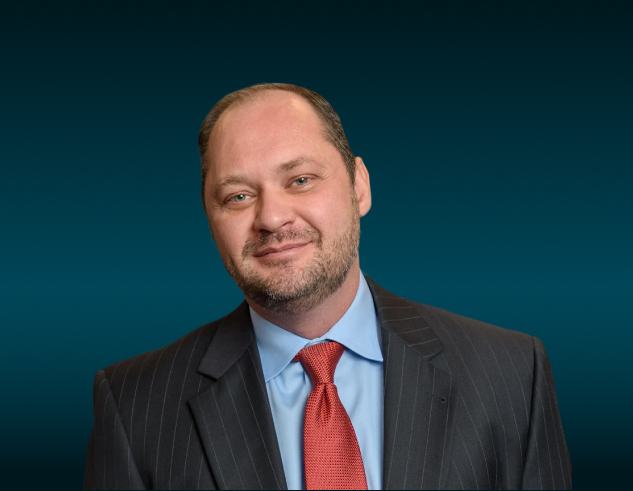
Dustin specializes in serious accident and injury cases in Utah and Idaho, practicing in State and Federal Courts. He's recognized as "Utah's Legal Elite," a "Mountain States Rising Star," and a member of The National Trial Lawyers Top 100. He holds an Avvo Superb Rating and is actively involved in legal associations, serving as a judge pro tempore for the Utah Supreme Court. A Utah native, Dustin earned his degrees from the University of Utah. He lives in Farmington with his wife and three children, enjoying family time, flying, and various outdoor activities.
Schedule Your
Free Consultation