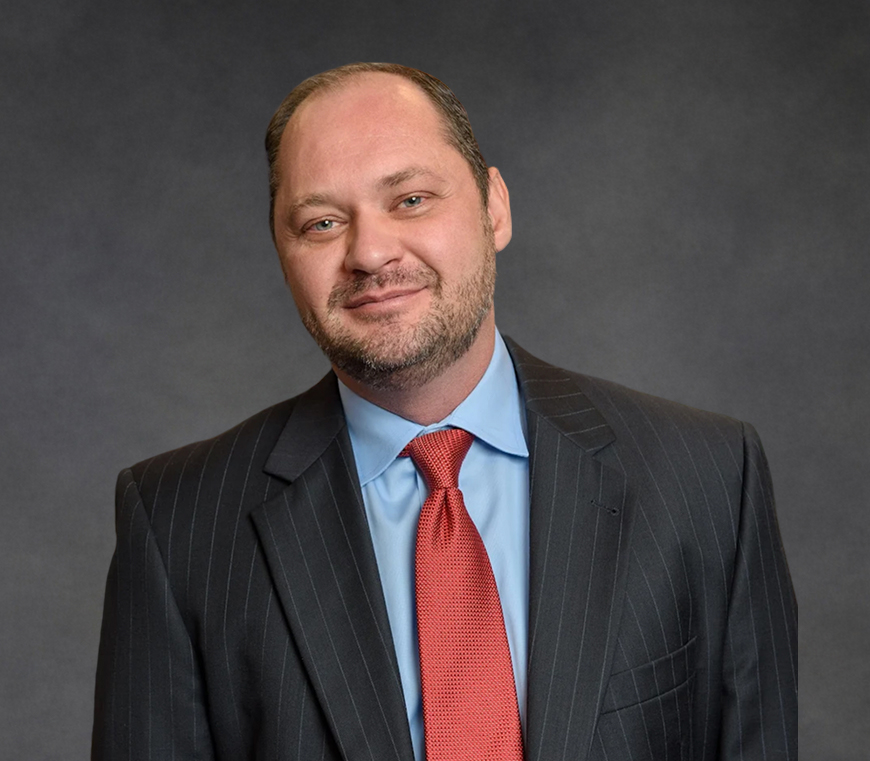
This page was written, edited, reviewed & approved by Dustin Lance and Cole Bingham following our comprehensive editorial guidelines. Dustin Lance, Partner Attorney, has handled many types of personal injury cases and is licensed in Utah and Idaho. Cole Bingham, Partner Attorney, focuses his practice on personal injury and wrongful death claims and is licensed in Utah. Before joining the firm, he spent years representing insurance companies, so he knows how insurers defend the claims our clients bring.
Key Takeaways:
Many personal injury cases in Utah resolve within several months, while cases that go to court often take a year or longer. That answer can be hard to accept when medical bills keep arriving, paychecks stop, and the adjuster who promised a quick resolution no longer returns your calls. Delay rarely helps you, but it often helps the insurance company.
At Lance Bingham Utah Personal Injury Lawyers, we push injury claims forward by building evidence early, tracking every deadline, and pressing insurers when they stall. Call our team for a free case evaluation and get a realistic answer about how long personal injury cases take in a situation like yours.


Every case moves through a similar series of stages, but each stage's timeline depends on your injuries, the evidence, and the insurer’s willingness to negotiate. Some stages overlap, and many cases resolve without ever reaching a courtroom. Working with a Utah personal injury lawyer early helps keep each stage from stalling.
Most cases move through the following stages:
A case can settle at almost any point on this list, so the real question is when the insurer finally recognizes the full scope of your losses.
Your recovery usually controls how quickly a claim can resolve. Until your doctors understand the full extent of an injury, no one can measure what future surgery, therapy, or lost earning capacity will cost. Settling before that point risks leaving those expenses uncovered.
A settlement generally requires signing a release that ends the claim. If a herniated disc later needs surgery, you typically cannot reopen the case to pay for it. That is why we usually recommend waiting until your treatment stabilizes before weighing any offer.
While you heal, we keep building the file so the claim is ready once your medical picture is clear. Bills, imaging results, work notes, and pain journals all become evidence that supports a Utah injury claim, and gathering them during treatment keeps the case from losing momentum.
Insurers protect their bottom line by paying less and paying later, so a slow claim is often deliberate. For third-party auto claims, the state Insurance Department’s claim guidance says insurers must respond substantively within 15 days of a request. It also allows 30 days to accept or deny the claim, with more time when the investigation cannot be completed.
Under Section 78B-5-818 of the state code, you can recover from defendants only when the fault assigned to them and to others found at fault, combined, exceeds your own. Each defendant then answers only for its own share. Insurers know this, so fault disputes often add months as they shift blame to you or to someone else.
Watch for the following delay tactics:
Each tactic buys the insurer time, and we answer them with documented deadlines and written demands. After a crash, it also helps to understand how Utah’s no-fault insurance works, since your own policy may cover some early expenses.
If an adjuster has gone quiet or keeps asking for the same documents, call Lance Bingham at (801) 869-6800. We can take over the communication and press the insurer for a real answer.
Filing a lawsuit does not mean your case will end in a trial. It does replace open-ended negotiation with deadlines the court can enforce.
After we file the complaint, the defendant must be served within 120 days under the state court system’s civil procedure rules. A defendant served in the state then has 21 days to file an answer under Rule 12, or 30 days if served elsewhere.
An answer that denies fault or blames you does not stop the case. It shows us exactly which issues the evidence must prove.
Discovery is the stage where both sides exchange documents, answer written questions, and take sworn testimony. Rule 26 of the civil procedure rules ties standard fact discovery to the damages claimed. Claims of $50,000 or less get 120 days, claims above $50,000 and below $300,000 get 180 days, and claims of $300,000 or more get 210 days.
Either side can request extraordinary discovery beyond those limits, which can extend the schedule. Depositions often happen during this window, and knowing what happens at a deposition helps you testify calmly and accurately.
Once a defendant files a responsive pleading, such as an answer, the court’s alternative dispute resolution (ADR) referral rule sends covered cases to its ADR program. Exceptions exist when the parties have already used another ADR process or the court excuses them.
At Lance Bingham, we prepare for mediation as though the case is headed to trial because we take a trial-ready case seriously. When mediation does not resolve the case, we keep preparing for trial.
Some deadlines limit how long you can wait to act, while others build waiting periods into the process. The type of case also shapes how many parties and insurers become involved.
State law sets a four-year catch-all deadline for claims that no other law specifically addresses. Wrongful death claims follow a shorter two-year limit under Section 78B-2-304.
Missing the deadline that governs your claim can end it before it starts. We confirm which deadline applies at the beginning of every case.
Claims against a governmental entity or government employee follow special notice rules. Under the state’s Governmental Immunity Act notice provisions, you must file a notice of claim within one year after the claim arises.
Once the notice is filed, you cannot file a lawsuit until 60 days have passed. You must begin the lawsuit within two years after the claim arises, so these steps leave little room for delay.
Case type changes who is involved. A truck collision may involve a trucking company, its insurer, and a maintenance contractor, while a dog bite or slip-and-fall often runs through a homeowner’s or business policy.
More defendants usually mean more records, more adjusters, and more time. Our car accident settlement timeline in Utah breaks down the stages specific to vehicle crashes.
It can shorten the timeline, but an early settlement may not cover surgery, therapy, or lost income you haven't incurred yet. We review your medical outlook before you decide whether any offer is worth serious consideration.
For third-party auto claims, state guidance describes a 30-day timeframe to accept or deny, with more time when the investigation cannot be finished. We track those dates and press adjusters who let them slide.
Standard fact discovery runs 120, 180, or 210 days, depending on the damages claimed. Requests for extraordinary discovery can extend that schedule.
You must file a notice of claim within one year and then wait 60 days before filing a lawsuit. Those added steps build delay into the process from the start.
Yes, cases can settle during discovery, at mediation, or shortly before trial. Filing suit often prompts more serious negotiation because the insurer now faces court deadlines and trial preparation costs.
Payment follows the signed release, and medical liens or unpaid bills tied to the claim are typically resolved before your share is distributed. We handle that process and keep you updated on timing.

Every week an adjuster sits on your file is another week you cover bills on your own. You should have a clear plan and a team willing to hold the insurer to its obligations.
Our attorneys bring decades of combined experience to personal injury claims, and we take on insurers that delay, deny, or undervalue legitimate injuries. We handle cases on a contingency fee basis, so you pay no upfront attorney fees to pursue your claim.
Attorneys Dustin Lance and Cole Bingham lead our team, and we are available 24/7. We can also travel to you anywhere in the state.
Call (801) 869-6800 or message us through our online contact form for a free case evaluation on how long your personal injury case may take in Utah.
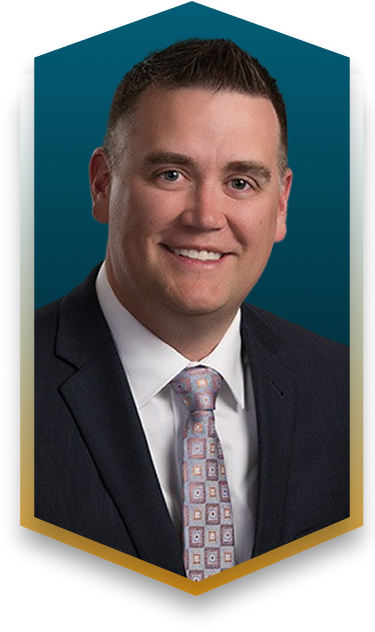
Cole Bingham is a co-founder and partner at Lance Bingham, where he represents injured Utahns and their families in cases involving vehicle crashes, bicycle accidents, dog bites, and wrongful death. Earlier in his career, Cole spent years representing insurance companies, and he now applies that insight to challenge insurers' tactics on behalf of injured clients. A graduate of the S.J. Quinney College of Law with High Honors, Cole has been named a Mountain States Super Lawyer and one of Utah Business's Legal Elite.
Lance Bingham Utah Personal Injury Lawyers
250 E 200 S #1050, Salt Lake City, UT 84111
Phone: (801) 869-6800

Schedule Your
Free Consultation