A typical car accident case in Utah can take a few months or over a year. The time depends on your injuries and whether the insurance company admits fault. Cases in small claims or justice courts often move faster than large civil lawsuits in district courts. At Lance Bingham Law, we work to move your personal injury claim forward quickly. We want to get you the money you deserve. We know that medical bills and lost wages cause a lot of stress. Our team focuses on fast dispute resolution so you can move on with your life.
The settlement process for a Utah auto accident varies for every person. Some personal injury claims wrap up in just a few months, while others take much longer. The time it takes depends on how fast you heal and how well the insurance company cooperates. At Lance Bingham Law, we track every detail to keep your case moving toward a fair settlement value.
Every car accident has its own set of facts that change the timeline. A simple fender bender with minor property damage is much easier to resolve than a high-speed crash. Cases involving wrongful death or permanent injuries are also much more complex. Because every injury victim has a unique story, no lawyer can give you an exact date for when your case will end.
Several key factors decide if your personal injury case will be fast or slow. The most important factor is the length of your medical treatment. A personal injury attorney usually waits until you finish your care before asking for money. If the other driver denies they were at fault, this disputed liability can also add months to the process.
The first few weeks after an auto accident are very busy. You must act fast to set up your case for success. During this time, you focus on reporting the crash and starting the insurance claim process. Missing these early steps can lead to legal problems later on. At Lance Bingham Law, we help you manage these first days so you don't feel overwhelmed.
Right after a crash, your safety is the most important thing. You should move your car to a safe spot if you can. Call 911 so the police can come and make an official report. You will also need to exchange information with the other driver, such as their name and car insurance details. It is smart to take photos of the property damage and any skid marks on the road. Also, try to get witness statements from anyone who saw the Utah auto accident. Evidence documenting is the foundation of your future claim.
Utah uses a no-fault insurance system. This means your own insurance pays for your initial care regardless of who caused the crash. This is called Personal Injury Protection (PIP). Under state law, every policy must have at least $3,000 in PIP benefits. This money helps pay for your medical bills and some lost wages right away.
You should call your insurance company within 24 to 48 hours of the crash. Most insurance regulations require you to report a crash quickly. If you wait too long, they might deny your claim. You should also notify the at-fault driver's liability insurance company. When you talk to an insurance adjuster, stick to the basic facts. Do not give a recorded statement or sign a release for damages until you talk to a personal injury attorney.
The most important part of your settlement process is your recovery. You cannot know the true settlement value of your case until you know how much your injuries will cost. This phase is often the longest part of a personal injury claim. It lasts from the day of the car accident until your doctor says you have healed as much as possible.
Maximum medical improvement (MMI) is a term doctors use when your condition has stabilized. It means you have reached a point where more treatment will not significantly change your health. Reaching medical improvement is vital because it allows us to calculate your total medical expenses. If you settle too early, you might miss out on money for a future surgery or long-term physical therapy.
During your recovery, every doctor visit creates a paper trail. These medical records are the most important evidence in your personal injury claims. You must follow your doctor's orders and keep all your appointments.
The time it takes to reach medical improvement depends on the type of injury you have. A simple soft-tissue injury like whiplash might require only a few months of care. However, serious legal problems arise in catastrophic injury cases. A broken bone might need surgery and months of physical therapy. No matter the severity, we make sure the negligence system works for you by documenting every step of your healing.


Once you reach maximum medical improvement, your personal injury attorney starts the next big step. This phase is all about building a strong argument for the money you need. We gather all the evidence to show why the other driver is responsible. This part of the settlement process can take several weeks or a few months.
Building a case requires more than just a police report. We look for evidence documenting exactly how the Utah auto accident happened. This might include video from a nearby repair shop or a doorbell camera. We also look at witness statements to get different views of the wreck. We leave no stone unturned during our investigation and case building.
Calculating the value of your claim is about more than just adding up medical bills. We look at all your medical expenses, including what you might need in the future. If you missed work, we calculate your lost wages using your pay stubs. We also look at non-economic damages, such as your pain and emotional distress.
After we have all the facts, we create a demand package. This is a formal packet of papers we send to the insurance adjuster. The demand package tells the insurance company exactly how much money we want to settle the case. It sets a deadline for their response. This is the first official move in the negotiation process. A well-prepared demand shows the company that we are ready for a civil lawsuit if they are not fair.
Once the demand package is sent, the negotiation process truly begins. This is a game of back-and-forth between your lawyer and the insurance company. Most personal injury claims end here without ever going to a jury trial. This phase can take a few weeks or several months.
After reading our demand, the insurance adjuster will make an initial offer. Usually, this first offer is much lower than what you deserve. They might try to downplay your medical bills or claim your injuries were pre-existing. Your personal injury attorney will then send a counteroffer. This back-and-forth continues until both sides find a number that works.
Having a personal injury attorney is vital during negotiations. We know the tricks an insurance company might use to save money. We use our knowledge of Utah law to fight for your rights. We also handle the stress of talking to the adjuster so you can focus on your life. A lawyer's job is to ensure you don't get bullied into a low settlement that won't cover your future needs.
Sometimes, negotiations get stuck. If that happens, we might use dispute-resolution methods such as mediation. In mediation, a neutral third party helps both sides talk and reach an agreement. This is often faster and cheaper than going to district court. Another option is a structured settlement, where you receive payments over time rather than all at once. These tools are great for reaching a middle ground without the risk of a trial. If these methods work, your case can settle much faster.
Several major hurdles can slow down your settlement process after a Utah auto accident. While some cases wrap up quickly, others get stuck due to liability issues or legal complexities. At Lance Bingham Law, we work to clear these hurdles as fast as possible, but some delays are part of the legal territory.
If the other driver or their insurance company denies they caused the crash, your case will take much longer. Proving who is at fault involves more than just reading a police report. We must gather witness statements, review nearby camera footage, and search for evidence documenting the wreck.
The more serious your injuries are, the longer your case will likely take. This is because your personal injury attorney must wait until you reach maximum medical improvement. If you have complex injuries like a brain injury or a broken bone that needs surgery, your medical improvement may take over a year. We must wait for your medical records to show the full cost of your future care. High-value claims also face more pushback from the insurance system, leading to longer talks.
Sometimes the insurance company is the reason for the delay. Under insurance regulations, they have a set time to reply to a claim, but they often use stalling tactics. They might ask for the same medical records multiple times or change your insurance adjuster mid-case. We stay on top of these companies to ensure they comply with Utah law and act in good faith.
A simple crash between two people is usually faster than a multi-car pileup. When there are many injury victims, the at-fault party's liability insurance may not have enough money for everyone. This leads to a complex fight over how to split the available funds. Each new party added to the case creates more meetings and more paperwork, which lengthens the process.

If the insurance company refuses to pay a fair amount, we may need to file a lawsuit. Filing a civil lawsuit significantly changes the timeline. While many cases still settle before a judge makes a final choice, the formal court steps add much more time. This path can take anywhere from one year to three years, depending on how busy the courts are.
You do not have forever to file a case in court. Under Utah law, there is a strict time limit called the statute of limitations. For a standard personal injury car accident, you generally have four years from the date of the crash to file a lawsuit petition. However, if the crash resulted in a wrongful death, Utah Code § 78B-2-304 shortens that time to only two years.
Starting a civil suit case begins with filing a formal complaint. This paper tells the court and the other driver exactly why you are suing. Once the case is filed, the other side must be served with the papers. They then have a set time to file an answer. Depending on the amount of money you are asking for, your case will go to a justice court (for small claims) or a district court (for larger cases).
The longest part of a lawsuit is called the discovery phase. This is when both sides exchange all their evidence. We will ask for the other driver’s medical records if they claim a health issue caused the crash. You may have to answer written questions called interrogatories or give a deposition. A deposition is an interview under oath where lawyers ask you questions about the auto accident. This phase can take six months to a year.
Before a trial starts, lawyers often file motions with the judge. These are requests to include or exclude certain evidence. For example, we might file a motion to prevent the other side from discussing your social media posts. The pressure of an upcoming trial date often makes the insurance adjuster more willing to offer a fair amount.
If no agreement is reached, your case goes to a jury trial. This is when a group of citizens hears the facts and decides who is at fault. Your personal injury attorney will present your medical bills, photos of the property damage, and talk to expert witnesses. A trial usually lasts a few days to a couple of weeks.
After the jury decides, the judge enters a final judgment. This is the official court order for the insurance company to pay. However, the case might not end there. If either side feels a legal error has happened, they can file an appeal. An appeal goes to a higher court and can add another year or two to the timeline. While appeals are not common in most car accident cases, they are a possibility we prepare for. Once the judgment is final, your lawyer will handle the medical liens and distribute your money.
Trying to handle a personal injury claim on your own can feel like a full-time job. Without a legal expert, you might spend months just trying to get a return call from an insurance adjuster. A personal injury attorney acts as your project manager, keeping every part of the case on track.
Utah's legal system has many specific rules that can be confusing for someone without legal training. For example, the Utah law regarding personal injury protection (PIP) can be tricky to navigate. A lawyer ensures you get your $3,000 in PIP benefits quickly so your initial medical bills are paid.
One of the biggest causes of delay is poor communication. An insurance adjuster might lose your medical records or wait weeks to reply to an email. When you hire a personal injury attorney, all communication goes through their office. We have a system to track every document and deadline. If a company is moving too slowly, we know how to push them using the negligence system guidelines.
A lawyer knows when a settlement value is fair and when it is an insulting offer. We use evidence documenting your injuries to fight for more money. If talks get stuck, we are ready to file a lawsuit petition in the district court. Sometimes, just filing a civil lawsuit is enough to prompt the insurance company to offer a better deal. We also handle mediation meetings to find a path forward without a long trial.
Missing a single deadline can end your entire case. We manage the statute of limitations and ensure all civil suit papers are filed on time. Our team also handles the discovery phase, during which we request the other driver's records. We manage the filing fee and court schedules so you don't have to worry about the details. By taking over the legal problems, we make the entire process smoother for every injury victim.
How long does a car accident settlement take in Utah?
Most cases take 6 to 12 months. Simple claims may settle faster, while severe injuries or disputed liability can extend the process to several years.
What is the average car accident settlement in Utah?
There is no fixed average. Payouts range from a few thousand for minor property damage to millions for catastrophic injuries or wrongful death cases.
How long do I have to sue for a car accident in Utah?
The statute of limitations is generally four years for personal injury. However, Utah Code § 78B-2-304 limits wrongful death lawsuits to only two years.
Can I still get a settlement if I was partially at fault?
Yes, if you are less than 50% at fault. Under comparative negligence, your final settlement value is reduced by your specific percentage of fault.
Does Utah's no-fault law affect my settlement timeline?
Yes. Personal Injury Protection (PIP) pays the first $3,000 of medical bills quickly. You must exceed this threshold or have a "serious injury" to sue.
Will I have to go to court for my car accident case?
Most cases settle out of court. However, if the insurance company denies your claim, your lawyer may file a civil lawsuit in district court.
The time it takes to settle your case is a small part of your journey toward justice. At Lance Bingham Law, we know that every day you wait for a check is a day of financial stress. We fight to ensure that no injury victim is forced to accept a low offer just to finish the process.
If you have reached maximum medical improvement or are just starting your recovery, we are here to help. Do not let the insurance system dictate your timeline or your worth. Schedule your free case evaluation today by calling our office or using our contact form. Let our experienced personal injury attorney team lead you to the fair compensation you deserve.

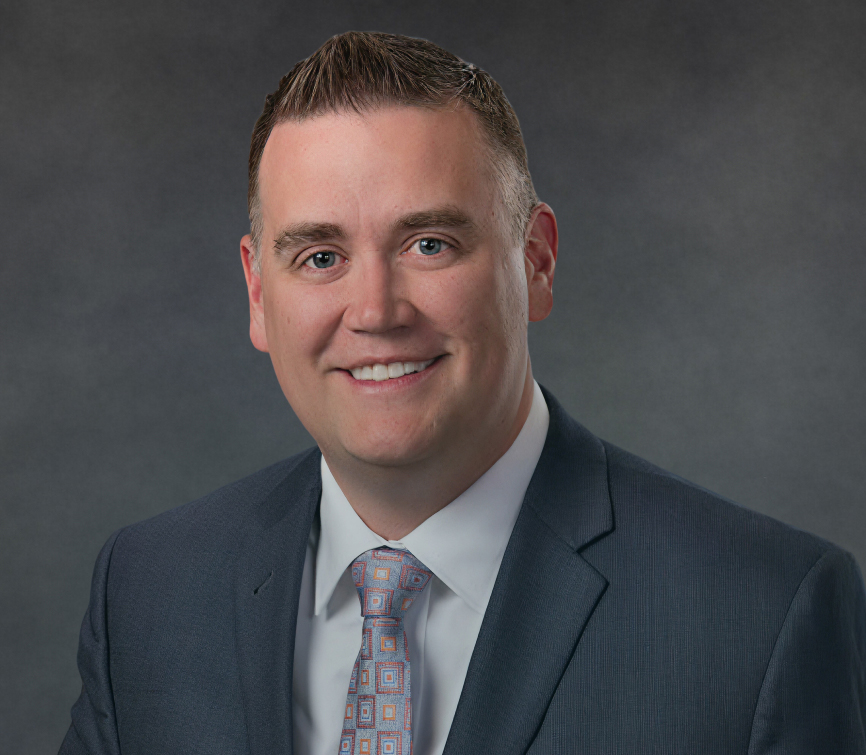
Dustin specializes in serious accident and injury cases in Utah and Idaho, practicing in State and Federal Courts. He's recognized as "Utah's Legal Elite," a "Mountain States Rising Star," and a member of The National Trial Lawyers Top 100. He holds an Avvo Superb Rating and is actively involved in legal associations, serving as a judge pro tempore for the Utah Supreme Court. A Utah native, Dustin earned his degrees from the University of Utah. He lives in Farmington with his wife and three children, enjoying family time, flying, and various outdoor activities.
Schedule Your
Free Consultation
