A car accident lawyer helps you deal with insurance companies after auto accidents in Salt Lake City. They gather evidence, including police reports, photos, and witness statements. They also collect medical records to prove car accident injuries. Then they calculate damages, including medical bills, lost wages, and pain and suffering.
A lawyer also guides you through the legal process when a claim is denied. They handle insurance adjusters and insurance disputes over coverage and fault. At Lance Bingham, we negotiate for a fair settlement or file a lawsuit in Utah civil courts when needed.
After car accidents, the insurance system can feel like a second crash. Calls start fast, and medical bills follow right behind. A car accident lawyer helps you protect your injury case from day one.
A lawyer’s job is part strategy and part cleanup. We gather proof, deal with insurance adjusters, and track deadlines. We also explain Utah car accident laws in plain language, so you know your options.
Early legal advice can matter more than people expect. Evidence fades, vehicles get repaired, and stories change. Quick action helps preserve what happened and supports a stronger personal injury claim.
At Lance Bingham, we start by listening and building a plan. We review your police report, medical treatment notes, and insurance coverage. Then we advocate for fair compensation and file suit when necessary.


The first days after a crash shape your entire claim. Your health comes first, and your actions protect it. Simple steps now can prevent big problems later.
Get medical attention as soon as you can. Some injuries feel “fine” at first, then worsen. Early medical care also creates medical proof for your injury claims.
Medical providers document symptoms and diagnoses. Those medical records connect the crash to your condition. They also support injury severity when insurers push back.
Follow your treatment plan and attend follow-ups. Gaps in care can raise questions. Insurance companies may claim you were not really hurt.
Keep copies of bills and test results. Save referral notes and therapy plans. These documents help support medical expenses and future care.
Good care helps you heal. It also strengthens your personal injury claim. Both matter after serious injury. Start with your health and build from there.
If it is safe, gather basic proof at the crash site. Photos are often the fastest and most useful evidence. Take pictures before the cars are moved.
Try to capture:
Ask for witness names and numbers. Witness statements can support fault when stories conflict. A short witness note can change everything.
Get the police report number if police respond. The police report often includes driver information, insurance details, and initial observations. It also helps with the insurance claim process.
Utah crash reporting may involve Utah Department of Public Safety records. Those records can support your timeline. They can also clarify location and incident details.
Evidence fades fast after auto collisions. Tow trucks clear the scene quickly, but photos and witness info can preserve the truth.
Insurance adjusters may call within hours. They often ask for a recorded statement. They may also push for a quick settlement.
Be careful with what you say. Do not guess about speed or fault. Don’t apologize, even out of habit.
Avoid signing releases too early. Some releases give broad access to medical history. Insurers may use old records to blame preexisting issues.
Watch your social media, too. Posts can be taken out of context. A smiling photo can be used against you.
Let a lawyer handle insurer calls when possible. It reduces stress and prevents mistakes. It also keeps your case cleaner from the start.
A strong personal injury claim is built on proof, not opinions. Insurance companies often challenge fault and the severity of injuries. A car accident lawyer helps you gather evidence and present it clearly.
Investigation starts with the basics. We review the police report and photos. We also collect witness statements and build a clear timeline.
Some cases need deeper digging. Distracted driving may require phone-related evidence. Camera footage may exist near intersections or businesses.
We also look at vehicle damage patterns. The impact points can help explain how the crash occurred. In serious injury cases, experts may help explain the forces involved.
Evidence can include:
The goal is a clean story supported by documents. An evidence-based story is harder to deny. It also improves leverage in settlement talks.
Fault is about what caused the crash. Negligence is the failure to drive with reasonable care. Car accidents, it often involve speeding, distraction, or unsafe turns.
Utah uses comparative negligence laws. Your fault percentage can reduce your recovery. Utah Code § 78B-5-818 explains this rule.
Insurance companies may try to shift blame. They may claim you were following too closely. They may claim you were distracted.
We counter with evidence. Photos and witness statements help. Vehicle damage and scene details also matter.
Proving negligence is not about arguing loudly. It is about showing facts. When facts are clear, liability insurance should respond.
Damages are your losses from the crash. Economic damages cover medical bills, medical expenses, and lost wages. Property damage and future care costs can also be considered.
Non-economic damages cover pain and suffering. They also cover daily limits and emotional stress. These damages depend on injury severity and proof.
Serious injuries often raise future losses. Traumatic brain injuries can affect focus and work. Spinal cord injuries can limit movement and independence.
We use medical records to support the numbers. We also use work history to prove income loss. When needed, experts support future wage loss.
Case value is not guesswork. It is built from records and real impact. The clearer the proof, the stronger the demand. That is how fair settlements happen.
Insurance companies handle car accident claims every day. They also work hard to pay as little as possible. A car accident lawyer helps you deal with the insurance system and protect your case value.
A claim starts with notice and paperwork. The insurer then reviews coverage and liability insurance. Adjusters look for reasons to reduce payment.
We review insurance coverage from the beginning. We look at policy limits and exclusions. We also identify issues with minimum liability insurance coverage.
Some cases involve PIP coverage and personal injury protection. PIP may pay initial medical expenses after a crash. It may also cover some lost wages, depending on policy details.
Insurance disputes can also involve underinsured drivers. A low-limit policy may not cover serious injury costs. In those cases, other coverage may matter.
We keep the process organized and documented. We respond to requests with clear proof. That reduces delays and the "missing document" games.
The insurance system can feel frustrating. It is built for efficiency, not kindness. A lawyer helps you stay protected inside that system.
Adjusters often push fast settlement offers. They may do this before full medical treatment is known. Early offers can leave you paying later.
We build a demand package with evidence. It includes medical records, invoices, and proof of wages. It also includes fault evidence and repair documentation.
We also address common insurer arguments. They may downplay pain and suffering. They may claim your care was unnecessary.
Negotiation is a process, not a one-call solution. Offers may move slowly at first. Strong proof and consistent pressure can change that.
When negotiations stall, a lawsuit may help. Filing suit forces evidence sharing and deadlines. It can also reveal insurer weak spots.
Settlement should match your losses. It should cover medical bills and income loss. It should also reflect pain and suffering when supported.
Most car accident claims settle. Some do not, especially when injuries are serious. When insurers refuse fair payment, the court may be the next step.
Going to court starts with filing a lawsuit. The case then moves into a structured legal process. Utah civil courts set deadlines and rules for each stage.
Common court steps include:
A lawyer prepares evidence for each step. That includes the police report and medical records. It can also include expert opinions in serious injury cases.
The court can also help uncover missing facts. Discovery can force production of records. It can also test stories through sworn testimony.
A lawsuit is not a guarantee of a trial. It is often used to push negotiations. Many cases resolve once the other side sees strong proof.
The court also protects deadlines and preserves your right to recover. Utah’s general filing deadline for many injury cases is in Utah Code § 78B-2-307.
A lawyer also helps you stay steady during the process. The court has rules and timelines that may feel unfamiliar. Guidance makes it manageable.
A car accident claim is not just forms and phone calls. It can feel like a second job while you are hurt. A lawyer helps carry that weight and keeps the process moving.
A big part of the work is coordination. We request records from medical providers and organize them. We also track medical treatment and bills as they come in.
We also help you make decisions with less stress. Should you accept an offer now or wait? Should you see a specialist? We explain the tradeoffs in plain language.
Communication matters, too. You should know what is happening and why. A lawyer provides updates and answers without legal fog.
We also keep your case consistent. Consistency helps when insurers look for contradictions. It also helps if the case moves to Utah civil courts.
Support also means protecting you from common pressure. Insurance adjusters may push you to settle fast. We slow things down and refocus on the proof.
A lawyer can’t undo the crash. But a lawyer can reduce the chaos that follows. That peace of mind is part of the value. It helps you focus on recovery.
Utah car accident laws shape how claims work. Local practice also affects how quickly evidence is gathered and how cases move. In Salt Lake, local knowledge can help you avoid delays and mistakes.
Utah uses comparative negligence laws. Fault percentages can reduce what you recover. That makes early evidence and clear timelines important.
Utah also has filing deadlines for suits. Missing a deadline can end the case. Utah Code § 78B-2-307 covers the general four-year limit for many claims.
Local knowledge also helps with records and proof. Police reports may be tied to Utah Department of Public Safety systems. Knowing where to request documents can save time.
Salt Lake cases may involve busy roads and heavy traffic patterns. Cameras may exist near intersections or businesses. Quick action can preserve footage before it is overwritten.
Local courts also have routines and schedules. A lawyer familiar with Utah civil courts can keep filings clean. That can reduce delays caused by technical mistakes.
Local insurance patterns matter too. Some adjusters use the same tactics repeatedly. Knowing those tactics helps you respond with better proof.
The systematic approach we use to investigate car accidents and prove liability is the same rigor we apply to all personal injury matters. Our Salt Lake City firm also represents clients in other claims. At Lance Bingham, we handle a wide range of personal injury cases.
We also help with:
The playbook is similar across these cases. We gather evidence, document damages, and deal with insurance companies. We also prepare for court when the claim is denied.
Truck accidents may involve more parties and more coverage. DUI cases may involve strong police evidence. Dog-bite cases may involve homeowners' insurance and liability disputes.
Bicycle and pedestrian cases often involve visibility and right-of-way issues. Motorcycle cases often involve severe injury and unfair bias. Boating cases can involve rules and safety failures.
No matter the case type, proof matters. Medical records and photos matter. Witness statements and reports matter.
If you are not sure what type of claim you have, ask. A free consultation can help you sort it out. You do not need to guess your next move alone.
How does Utah law affect car accident claims?
Utah law affects fault, deadlines, and how damages are calculated. Comparative negligence can reduce recovery based on fault percentages, so strong evidence matters.
How can a Utah car accident lawyer help me after a crash?
A lawyer gathers evidence, handles insurance adjusters, calculates damages, and negotiates settlement offers. If needed, they file a lawsuit in Utah civil courts.
What types of compensation can be claimed in a Utah car accident case?
Medical bills, lost wages, property damage, and future care can be claimed. Pain and suffering may also apply, particularly in cases of serious injury and strong medical evidence.
How do Utah car accident lawyers negotiate with insurance companies?
They present evidence, build a demand package, and challenge low offers. They use medical records, proof of wages, and evidence of fault to argue for fair value.
Do I have to talk to the other driver’s insurance adjuster?
No. You can limit contact and avoid recorded statements. A lawyer can handle communications, so your words are not used against your injury claim.
What if I were partly at fault under comparative negligence laws?
You may still recover, but compensation can be reduced. If you are 50% or more at fault, Utah law can bar recovery. (Utah Code § 78B-5-818)

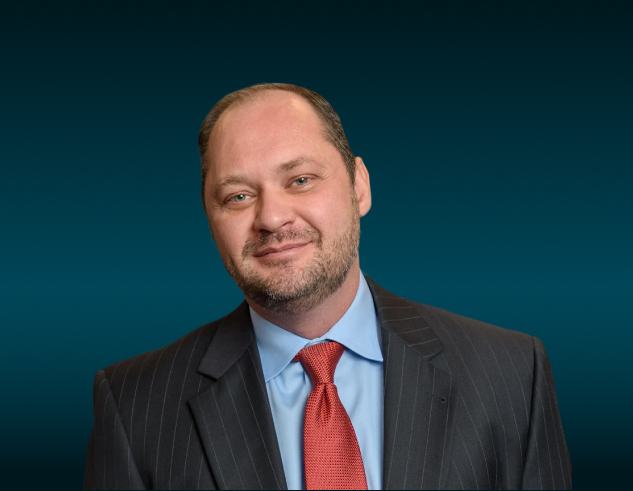
If you were hurt in a car accident in Salt Lake, you do not have to deal with insurance adjusters alone. Lance Bingham offers a free consultation to discuss your injury case and learn your legal rights. We will review your police report, medical records, and insurance coverage, then explain what your personal injury claim may include.
Our personal injury law firm helps accident victims with medical bills, lost wages, and pain and suffering, and we handle insurance disputes from start to finish. If the insurance company refuses a fair settlement, we are prepared to file a lawsuit in Utah civil courts and fight for the compensation you deserve. Many cases are handled on a contingency fee basis, which means you do not pay attorney fees unless you recover compensation.
Contact us today to schedule your free consultation and take the next step forward.
Dustin specializes in serious accident and injury cases in Utah and Idaho, practicing in State and Federal Courts. He's recognized as "Utah's Legal Elite," a "Mountain States Rising Star," and a member of The National Trial Lawyers Top 100. He holds an Avvo Superb Rating and is actively involved in legal associations, serving as a judge pro tempore for the Utah Supreme Court. A Utah native, Dustin earned his degrees from the University of Utah. He lives in Farmington with his wife and three children, enjoying family time, flying, and various outdoor activities.
Schedule Your
Free Consultation
