If you were injured because another driver failed to yield the right-of-way, you may be entitled to compensation for your medical expenses, lost income, pain and suffering, and other losses. An experienced Salt Lake City failure to yield accident lawyer can protect your rights, investigate the crash, and pursue the financial recovery you deserve.
At Lance Bingham, we represent accident victims throughout Salt Lake City who have been injured by negligent drivers. Our legal team thoroughly investigates every case, deals directly with insurance companies, and fights for the maximum compensation available under Utah law.
Call 801-869-6800 today for a free consultation with an experienced Salt Lake City failure to yield accident lawyer.


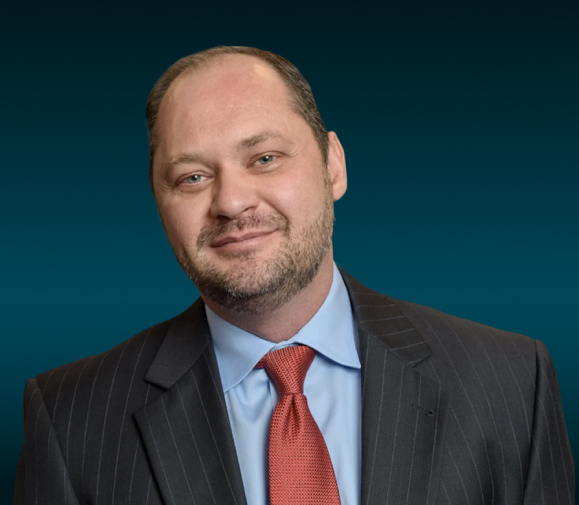
Failure-to-yield accidents often happen in seconds, but determining who is legally responsible can require a detailed investigation. Insurance companies may dispute liability or argue that both drivers contributed to the collision. At Lance Bingham, we gather the evidence needed to establish fault and build the strongest claim possible.
Depending on your case, we may:
Every accident is unique, and we develop a legal strategy based on the specific facts of your case.
A failure to yield accident occurs when a driver does not give the right-of-way as required by Utah traffic laws, causing a collision. These crashes frequently occur when drivers rush through intersections, make unsafe left turns, ignore yield signs, or fail to watch for pedestrians, bicyclists, or other vehicles.
Because the right-of-way rules vary depending on the situation, determining fault often requires reviewing the roadway configuration, traffic control devices, witness statements, and other evidence surrounding the collision.
Utah traffic laws require drivers to yield in several situations to prevent collisions. Which driver has the right-of-way depends on the type of intersection, traffic signs or signals, and how the vehicles are moving.
Under Utah Code § 41-6a-903, a driver turning left must yield to oncoming vehicles that are close enough to create an immediate hazard. A driver who turns across approaching traffic without enough space may be responsible for a resulting crash.
Utah Code § 41-6a-902 requires drivers approaching a yield sign to slow to a reasonable speed and stop when necessary for safety. After slowing or stopping, the driver must yield to vehicles already in the intersection or approaching closely enough to create an immediate hazard. Drivers must also yield to pedestrians in an adjacent crosswalk.
Utah law generally requires motorists to slow down or stop when necessary to yield to pedestrians who have the right-of-way in a crosswalk. Pedestrians also have responsibilities and cannot suddenly enter the path of a vehicle that is too close to stop safely.
Failure to yield crashes can happen anywhere, but they are especially common in areas where drivers must make quick decisions about who has the right-of-way.
Common locations include:
These accidents often involve side-impact or "T-bone" collisions because one driver enters another vehicle's path without yielding.
Failure to yield accidents often occur at busy intersections and heavily traveled roads such as State Street, 700 East, Foothill Drive, North Temple, and 1300 East. Drivers may cause crashes by making unsafe left turns, entering intersections too soon, or failing to yield to pedestrians, bicyclists, or approaching traffic.
These accidents can also happen near highway ramps, crosswalks, and other areas where traffic merges or changes direction.
Most failure to yield accidents are preventable and occur because a driver fails to exercise reasonable care before entering another vehicle's path.
Common causes include:
Identifying the cause of the collision is often an important step in proving negligence and recovering compensation.

The driver who failed to yield is often responsible for the accident, but liability is not always limited to a single individual. Depending on the circumstances, other parties may also share responsibility for the collision.
Potentially liable parties include:
A thorough investigation can identify every responsible party and maximize the compensation available for your injuries.
If another party's negligence caused your injuries, you may be entitled to recover compensation for both your financial losses and the personal impact the accident has had on your life.
Depending on your case, compensation may include:
An experienced Salt Lake City failure to yield accident lawyer can evaluate your losses and pursue the full compensation available under Utah law.
Successfully recovering compensation requires proving that another party's negligence caused the collision. In failure to yield cases, evidence is often the key to demonstrating who had the right-of-way and how the accident occurred.
Important evidence may include:
The sooner an investigation begins, the greater the opportunity to preserve important evidence before it is lost or destroyed.
It is common for insurance companies to argue that both drivers contributed to a failure to yield accident. By shifting some of the blame to you, the insurer may try to reduce the amount it has to pay or avoid liability altogether.
Utah follows a modified comparative fault rule under Utah Code § 78B-5-818. This means you may still recover compensation if your percentage of fault does not exceed the combined fault of the other parties. However, any compensation you receive is generally reduced by your percentage of fault.
For example, if you are awarded $100,000 but found to be 20% at fault, your recovery would generally be reduced to $80,000. Because fault can have a significant impact on your claim, it is important to have an experienced attorney who can challenge unfair allegations and present evidence supporting your case.
Utah follows a no-fault auto insurance system, which means your own Personal Injury Protection (PIP) coverage may pay certain medical expenses and other covered losses after a crash, regardless of who caused it.
However, PIP does not necessarily prevent you from pursuing compensation from the driver who failed to yield. Depending on the severity of your injuries and the circumstances of the accident, you may be able to bring a claim against the at-fault driver for additional losses, including pain and suffering.
An attorney can review your insurance coverage, determine which benefits apply, and identify whether you have grounds to pursue compensation beyond your PIP benefits.
Failure to yield collisions often occur at intersections or while turning, causing side-impact crashes that can result in severe injuries. Even accidents at relatively low speeds may leave victims with long-term physical and emotional consequences.
Common injuries include:
Some injuries may not appear immediately after the accident. Seeking prompt medical attention helps protect both your health and your personal injury claim.
Failure to yield cases are frequently disputed because insurance companies know that liability can significantly affect the value of a claim. Rather than accepting responsibility, insurers may look for reasons to shift blame or minimize the extent of your injuries.
Common tactics include:
Having an experienced attorney handle communications with the insurance company can help protect your rights and prevent insurers from taking advantage of you during the claims process.
After a serious accident, you need more than legal advice, you need an advocate who will stand beside you from start to finish. At Lance Bingham, we understand how overwhelming a failure to yield accident can be, and we are committed to helping injured clients pursue the compensation they need to rebuild their lives.
When you choose our firm, you can expect personalized attention, thorough case preparation, and aggressive representation throughout every stage of your claim. We carefully investigate each accident, gather the evidence needed to establish liability, negotiate directly with insurance companies, and prepare every case as though it may proceed to trial. Because we work on a contingency fee basis, you pay no attorney fees unless we recover compensation for you.
If you were injured because another driver failed to yield the right-of-way, you do not have to face the legal process alone. An experienced Salt Lake City failure to yield accident lawyer can explain your rights, investigate the collision, and fight for the compensation you deserve.
At Lance Bingham, we proudly represent accident victims throughout Salt Lake City and across Utah. Call 801-869-6800 today to schedule a free consultation with an experienced Salt Lake City failure to yield accident lawyer and learn how we can help you move forward.
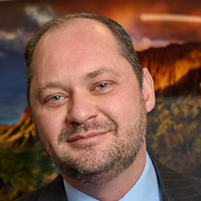
Dustin specializes in serious accident and injury cases in Utah and Idaho, practicing in State and Federal Courts. He's recognized as "Utah's Legal Elite," a "Mountain States Rising Star," and a member of The National Trial Lawyers Top 100. He holds an Avvo Superb Rating and is actively involved in legal associations, serving as a judge pro tempore for the Utah Supreme Court. A Utah native, Dustin earned his degrees from the University of Utah. He lives in Farmington with his wife and three children, enjoying family time, flying, and various outdoor activities.
Schedule Your
Free Consultation