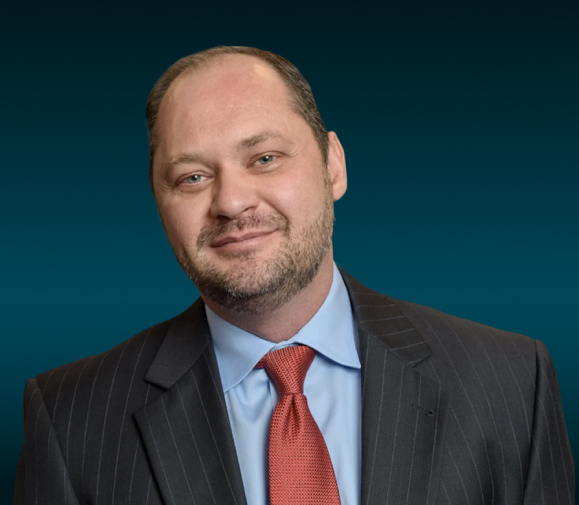
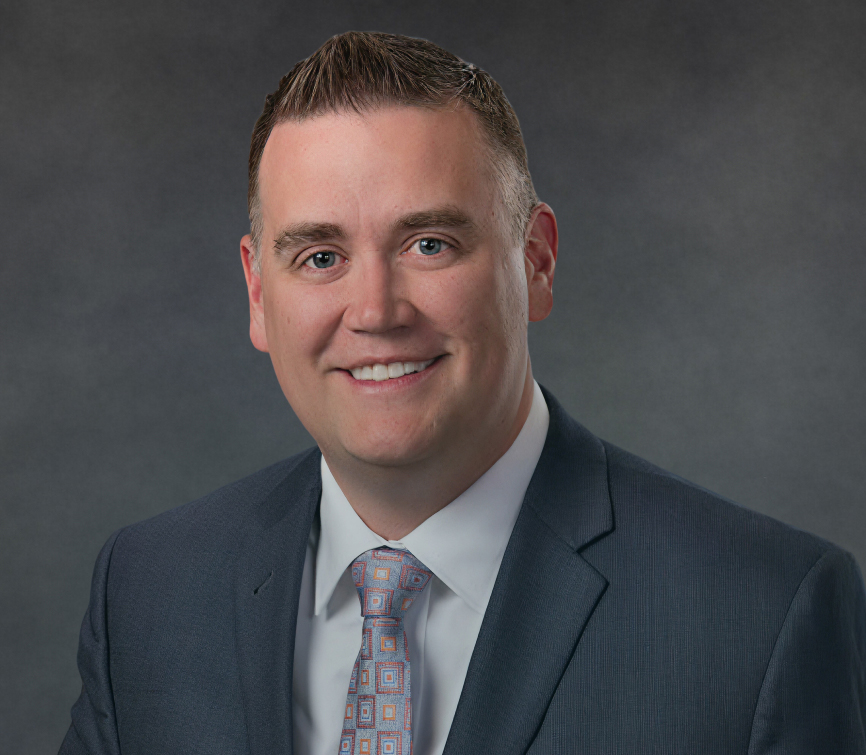
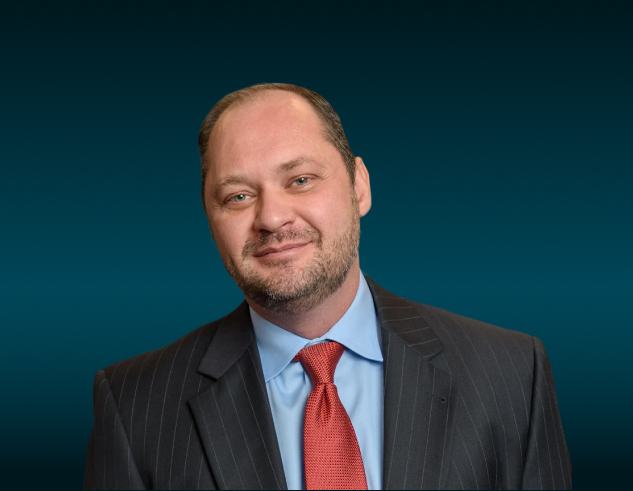
This page was written, edited, reviewed & approved by Dustin Lance and Cole Bingham following our comprehensive editorial guidelines. Dustin Lance, Partner Attorney, has handled many types of personal injury cases and is licensed in Utah and Idaho. Cole Bingham, Partner Attorney, focuses his practice on personal injury and wrongful death claims and is licensed in Utah. Before joining the firm, he spent years representing insurance companies, so he knows how insurers defend the claims our clients bring.
A low-impact car accident is generally a collision that happens at speeds under roughly 10 to 15 miles per hour.
The vehicles often show little more than a scuffed bumper or a shallow dent, and many drivers leave the scene believing nothing happened to them. Insurance adjusters use that same label to argue that a minor collision could not have caused a real injury. Utah law does not work that way, and neither does the human body.
At Lance Bingham, our Salt Lake City car accident attorneys help injured drivers document what a low-impact car accident actually did to them. Call 801-869-6800 for a free case evaluation.


No Utah statute defines the term. It comes from insurance practice and crash reconstruction rather than the Utah Code, which is why it gets applied loosely. The label usually depends on a combination of low speed, minimal visible damage, and the carrier's own internal classification of the claim.
Most carriers treat impacts below 10 to 15 miles per hour as low impact. Property damage in that range often stays cosmetic, limited to dents, scratches, cracked trim, or a bumper cover that needs replacing.
The vehicle may remain fully drivable. That single fact does more to shape an adjuster's opinion of your injury than any medical record you submit.
Low-speed collisions cluster in the places where traffic slows and stops. Common settings include the following:
A repair estimate describes the car. Your medical records describe you. Those two documents answer different questions, and only one of them has anything to do with your spine.
Modern bumpers absorb energy and spring back, which limits visible damage. Energy the bumper does not absorb still has to go somewhere, and some of it moves through the seat into the occupant.
The human head is heavy and sits on a flexible neck. A sudden change in speed can move it through a range it was never built to travel, even when the car itself barely moves. Rear-end collisions produce this pattern most often.
Several injuries appear regularly after low speed collisions:
Symptoms frequently arrive late. Adrenaline masks pain at the scene. Stiffness, headaches, and limited range of motion often surface a day or two afterward.
Utah runs a no-fault system for the first layer of benefits, then sets a statutory gate before you can pursue general damages from the driver who caused the crash. Both rules shape a low impact claim far more than the size of the dent does.
Your own policy pays first, regardless of who was at fault. Under Utah Code § 31A-22-307, personal injury protection must provide at least $3,000 per person for necessary medical, surgical, X-ray, dental, rehabilitation, ambulance, hospital, and nursing services.
The statute also requires wage-loss benefits of the lesser of $250 per week or 85% of lost gross income, payable for as long as 52 consecutive weeks. A household services allowance of up to $20 per day is available for a maximum of 365 days.
That $3,000 medical floor sounds generous until you price one emergency room visit with imaging. Many low impact claims exhaust it during the first few weeks of treatment.
Here is where low impact claims are decided. Utah Code § 31A-22-309 bars a person who carries personal injury protection from maintaining a cause of action for general damages unless one of the following applies:
General damages include pain and suffering. Meeting one of these conditions separates a claim limited to out-of-pocket losses from a claim that reaches the full scope of your harm. The restriction does not apply to a person making an uninsured motorist claim.
Low impact crashes in parking lots and merging traffic often produce fault disputes, because both drivers were moving slowly and neither committed an obvious traffic violation.
Utah Code § 78B-5-818 provides that a person's own fault does not by itself bar recovery. Recovery remains available where the combined fault of the other parties exceeds that person's share, and any award is reduced by the percentage of fault assigned to them.
A disputed backing collision can still support a claim under that rule. The fault percentage an adjuster assigns you is also worth challenging with evidence.
Under Utah Code § 78B-2-307, most personal injury actions must be filed within four years. That deadline feels distant after a fender bender; however, evidence does not last nearly that long.
Damaged vehicles get repaired, dashcam files are overwritten, and witnesses forget what they saw at a stoplight months earlier.
Many drivers exchange information after a low speed crash and never call the police. Utah Code § 41-6a-401 requires notice to the nearest law enforcement office when a crash causes property damage to an apparent extent of $2,500 or more. The operator must give that notice immediately, by the quickest means of communication available.

Adjusters rarely say your injury is fake. They say the physics do not support it, then price the claim accordingly.
The insurance industry has a name for this category of claim: Minor impact soft tissue, often shortened to MIST. Claims sorted into it get handled on the theory that light vehicle damage rules out meaningful bodily injury.
That argument carries a weakness. Soft tissue damage does not appear on a standard X-ray, so the absence of a fracture is not evidence that nothing was hurt.
Watch for the following moves:
None of these moves is improper standing alone. Each becomes a problem when it substitutes for a serious look at your medical evidence.
Our attorneys handle insurer communication so you can focus on treatment. Call Lance Bingham, at 801-869-6800 for a free case evaluation.
Documentation, not argument, answers the minor impact theory. The record you build during the first few weeks tends to determine what the claim can support months later.
Objective findings matter because the general damages threshold asks for them. Measured range-of-motion limits, imaging results, referrals to physical therapy or orthopedics, and consistent symptom reporting across visits all build that record.
Advanced imaging becomes important when pain persists. An MRI can reveal disc involvement that a standard X-ray cannot show.
Photographs of both vehicles taken before repair preserve the impact geometry. Repair invoices, hidden damage found during teardown, and dashcam or business surveillance footage can each contradict a claim that the contact was trivial.
Utah's own crash data carries a floor that matters here. The Utah Highway Safety Office collects crash report information when a crash involves injuries, deaths, or at least $2,500 in property damage.
Rear-end collisions dominate the crash types most likely to fall into the low impact category. In the state's 2026 statewide review of 2020 through 2024 data, 63% of Utah distracted driving crashes were rear-end collisions.
A parking lot tap with $900 in damage and delayed symptoms may never generate a police report or a state record. Nothing in that absence indicates the crash caused no injury; it only means no agency was required to write it down.
That shifts the evidentiary weight onto your medical records, your photographs, and your prompt reporting.
We treat these as evidence problems rather than small claims. The question is never how the bumper looks; it is what the medical record and the statute together support.
Lance Bingham does not advertise. Our attorneys handle and negotiate claims directly instead of routing them to claim handlers, and our team travels to clients anywhere in Utah. Our attorneys bring nearly 40 years of combined experience to Utah injury cases and work on a contingency fee basis.
We coordinate personal injury protection benefits, then track whether the medical evidence meets Utah's general damages threshold. Where it does, our attorneys pursue a third-party claim against the at-fault driver for the losses personal injury protection does not reach.
Fault percentages get challenged, evidence gets requested before it disappears, and the minor impact argument gets answered with documentation.
Yes. Symptoms from low speed collisions often surface hours or days later, and a prompt evaluation creates the record connecting your injury to the crash.
Yes. Utah law measures your right to general damages by your injuries and medical expenses under Section 31A-22-309, not by your repair estimate.
Delayed onset is common with soft tissue and concussion injuries. Tell the provider when the symptoms began and describe them fully, because that timeline becomes part of your record.
Notification to law enforcement is required when apparent property damage reaches $2,500 or more. Even below that amount a report can help, and your photographs and written notes matter more without one.
Utah's comparative negligence rule still allows recovery when the combined fault of the other parties exceeds yours. Our page on whether you can sue someone for a minor car accident covers how that plays out in a lawsuit.
A low impact car accident can leave you with real treatment, real time away from work, and an insurer that has already decided the claim is worth very little. Lance Bingham, represents injured drivers across Salt Lake City and the rest of Utah, and we take these claims seriously no matter how the vehicles look.
Attorneys Dustin Lance and Cole Bingham handle client claims directly, from the first call through resolution. Our team works on a contingency fee basis, so you face no upfront legal fees.
Call 801-869-6800 for a free case evaluation. We will review how the crash happened, explain how Utah's threshold applies to your injuries, and lay out your legal options.
Dustin specializes in serious accident and injury cases in Utah and Idaho, practicing in State and Federal Courts. He's recognized as "Utah's Legal Elite," a "Mountain States Rising Star," and a member of The National Trial Lawyers Top 100. He holds an Avvo Superb Rating and is actively involved in legal associations, serving as a judge pro tempore for the Utah Supreme Court. A Utah native, Dustin earned his degrees from the University of Utah. He lives in Farmington with his wife and three children, enjoying family time, flying, and various outdoor activities.
Schedule Your
Free Consultation