This page was written, edited, reviewed & approved by Dustin Lance and Cole Bingham following our comprehensive editorial guidelines. Dustin Lance, Partner Attorney, has handled many types of personal injury cases and is licensed in Utah and Idaho. Cole Bingham, Partner Attorney, focuses his practice on personal injury and wrongful death claims and is licensed in Utah. Before joining the firm, he spent years representing insurance companies, so he knows how insurers defend the claims our clients bring.
The most visible firm is not automatically the most attentive, experienced, or right for your case. Sometimes the lawyer who grows by reputation rather than saturation advertising can offer the closer relationship an injury claim demands.
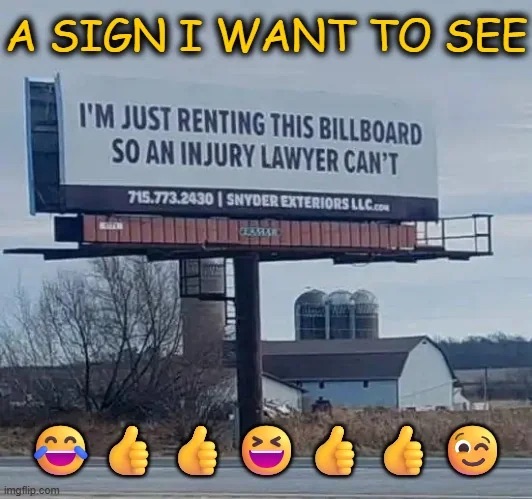
After a serious crash, the same personal injury firms seem to appear everywhere: television, billboards, search results, buses, and social media. That visibility can feel reassuring. If a firm can afford that much advertising, the thinking goes, it must be successful.
But advertising tells you one thing with confidence: the firm knows how to buy attention. It does not tell you who will handle your case, how often you will speak with a lawyer, whether the firm understands the details that make your claim different, or whether its strategy fits your goals.
Advertising is not inherently bad, and many excellent lawyers advertise. The problem is using visibility as a substitute for diligence. The American Bar Association's Model Rule 7.1 requires communications about legal services to be truthful and not misleading. Even a compliant advertisement, however, is still a short marketing message. It cannot show you the full client experience.
You are not hiring a slogan. You are hiring judgment, preparation, communication, and accountability.
The lawyer who advertises less may have built a practice through former clients, professional referrals, community relationships, and a reputation within a specific field. That model can create meaningful advantages. It can also create weaknesses. The point is not to assume that quiet means better; it is to look past marketing volume and examine how the practice actually works.
Mass advertising is often designed to generate a large and steady flow of inquiries. A high-volume business model is not automatically a problem, but volume can affect how a case moves through a firm. Intake teams, case managers, junior staff, and standardized systems may handle much of the day-to-day work. Those systems can be efficient, yet some clients discover that the lawyer in the advertisement is not the lawyer they speak with - or that they rarely speak with a lawyer at all.
A firm that relies less on mass advertising may be able to accept fewer cases and make each one matter more. When that is genuinely how the practice operates, the client may benefit in several ways.
You may be more likely to know who is responsible for the case, who is making strategic decisions, and whom to call when something changes. That matters because communication is not a courtesy; it is central to informed decision-making. ABA Model Rule 1.4 says lawyers should keep clients reasonably informed, respond to reasonable requests for information, and explain matters sufficiently for clients to make informed choices.
Serious injury claims do not fit neatly into a template. The medical course, liability evidence, insurance coverage, employment impact, family burden, and long-term consequences vary from person to person. A lawyer with room to investigate can build the claim around those facts instead of forcing it through a generic process.
A reputation-driven lawyer may not need to sign every viable lead. That can allow the firm to take cases it understands and believes it can serve well. Selectivity is valuable only if the lawyer then commits the necessary time, money, and attention, so ask what the firm's acceptance criteria mean in practice.
A consistent lawyer-client relationship reduces the need to repeat your story and can help the legal team notice changes that matter. The person who understands the early facts is better positioned to see how new treatment, evidence, or insurance issues change the strategy later.
Reputation changes the incentive
When a practice depends heavily on referrals and repeat professional relationships, each
client's experience influences the next case. Responsiveness, candor, preparation, and
follow-through become part of the firm's growth strategy - not just its service promise.
Advertising creates overhead, but it would be too simple to say that an advertising budget automatically reduces case value or client service. Firms have different staffing models, fee structures, and operating efficiencies. The relevant question is whether the firm's economics are aligned with careful work on your individual claim.
A lawyer whose practice grows through reputation may have a powerful reason to protect every relationship. A former client's recommendation is earned through the experience of being heard, prepared, and represented well. A referral from another lawyer or professional often depends on confidence that the matter will be handled responsibly.
That model can reward long-term trust over short-term lead volume. It may also make it easier for the lawyer to give candid advice, including advice that is less dramatic than an advertisement: a case may take time; a medical record may create a challenge; a quick offer may not reflect the full harm; or litigation may bring both opportunity and risk.
Personal injury law covers a wide range of claims. A motorcycle crash, trucking collision, premises injury, defective product, and medical negligence case can demand very different knowledge. A well-known general personal injury brand may be capable in all of them, but name recognition alone does not establish relevant experience.
A smaller or less visible practice may concentrate on a narrower category of cases. For an injured motorcyclist, for example, useful experience can include understanding riding dynamics, protective gear, road hazards, bias against riders, motorcycle-specific damage, and the way crash mechanics affect the evidence. Subject-matter fluency can improve the questions asked, the experts chosen, and the story presented to an insurer or jury.
No ethical lawyer can promise a particular result. Outcomes depend on the facts, the law, the available insurance or assets, the evidence, the decision-makers, and the client's own priorities. That is why the best hiring conversation is not about slogans or past headline results. It is about what the lawyer will do on this case.
Fees deserve the same scrutiny. ABA Model Rule 1.5 says the basis or rate of the fee and the expenses for which the client is responsible should be communicated, preferably in writing. Ask what percentage applies, whether it changes if suit is filed, which case costs may be deducted, when those costs are deducted, and what happens if there is no recovery.
Whether a firm advertises heavily, modestly, or not at all, ask questions that reveal the actual service model. A good consultation should give you clear answers without pressure.
Ask about ownership and access
Who will be the lawyer responsible for my case?
Will I meet that lawyer before signing?
How often will I receive updates?
Who answers routine questions, and when does the lawyer step in?
How many active cases does the lawyer personally oversee?
Ask about strategy and economics
What makes this type of case difficult?
What evidence would you preserve first?
Do you prepare every case as if it may be tried?
What are the fee percentage and case- cost terms?
Under what circumstances would another firm or lawyer become involved?
A non-advertising personal injury lawyer can be the better choice when the firm's business model produces direct access, deliberate case selection, relevant experience, and personal accountability. Those qualities are especially important when an injury has disrupted your health, work, mobility, and family life.
But “non-advertising” is not a credential by itself, just as “everywhere” is not proof of excellence. Look for substance: the lawyer's role, the firm's caseload, the communication plan, the case strategy, the fee agreement, and the willingness to answer hard questions. Choose the lawyer whose practice is built to treat your case as a responsibility, not simply as another acquisition.
Talk to the lawyer who will do the work
The best way to evaluate a personal injury firm is a direct conversation. Ask who will own the case, how decisions will be made, and what the firm sees as the claim's strengths and challenges.
Sources
1. American Bar Association, Model Rule 7.1: Communications Concerning a Lawyer's Services.
2. American Bar Association, Model Rule 1.4: Communications.
3. American Bar Association, Model Rule 1.5: Fees.
General information only. This article is not legal advice and does not create an attorney-client relationship. Legal rules vary by jurisdiction, and every claim depends on its specific facts.
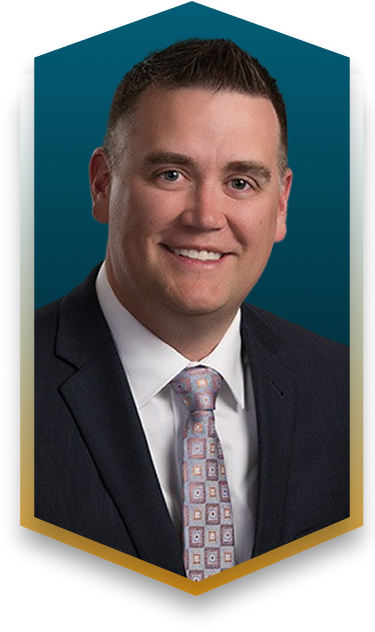
Cole Bingham is a co-founder and partner at Lance Bingham, where he represents injured Utahns and their families in cases involving vehicle crashes, bicycle accidents, dog bites, and wrongful death. Earlier in his career, Cole spent years representing insurance companies, and he now applies that insight to challenge insurers' tactics on behalf of injured clients. A graduate of the S.J. Quinney College of Law with High Honors, Cole has been named a Mountain States Super Lawyer and one of Utah Business's Legal Elite.
Lance Bingham Utah Personal Injury Lawyers
250 E 200 S #1050, Salt Lake City, UT 84111
Phone: (801) 869-6800

Schedule Your
Free Consultation