Esta página fue escrita, editada, revisada y aprobada por Dustin Lance y Cole Bingham Tras nuestro exhaustivo análisis Directrices editoriales. Dustin Lance, abogado asociado, ha manejado muchos tipos de casos de lesiones personales y está autorizado en Utah y Idaho. Cole Bingham, abogado asociado, enfoca su práctica en reclamaciones por lesiones personales y muerte injustificada y está autorizado en Utah. Antes de unirse a la firma, pasó años representando a compañías de seguros, por lo que conoce cómo las aseguradoras defienden las reclamaciones presentadas por nuestros clientes.
Rear-end, angle, sideswipe, head-on, rollover, and multi-vehicle impacts are the most common types of car accidents in Utah. Those labels are not just descriptions of bent metal. The type of impact shapes which driver is presumed careless, which evidence survives the tow truck, and how fast an adjuster builds an argument about your share of the blame.
If you are sore, behind on work, and unsure whether a low-speed scrape is even worth reporting, that confusion is normal and it is exactly what insurers count on. At Lance Bingham, abogados de lesiones personales de Utah, our attorneys handle every one of these collision patterns for injured drivers and passengers statewide. Our team can review your crash report and explain what the impact type means for your claim.


Following too closely is the driver behavior that appears most often in state crash reports, and it produces the collision most people picture first. Traffic stacks up, one driver looks down, and the car behind arrives before the brakes do.
State crash data from 2024 lists the following driver factors most often across all reported collisions:
Those five behaviors map almost directly onto the collision types below.
Insurers often treat rear-end liability as settled the moment they read the report. Our attorneys rarely accept that shortcut. Brake lights that never worked, a driver who rolled backward at a light, and abrupt lane changes with no stopping distance can shift responsibility to the front vehicle.
We request vehicle inspection records and any dash camera or doorbell footage before it is overwritten. Those details carry weight in rear-end accident claims, especially when an adjuster has already assigned you part of the blame.
Nearly half of all reported crashes in the state happen at an intersection, which makes angle impacts one of the largest sources of serious injury claims. An angle crash, often called a T-bone, drives the striking vehicle's front end into the side of another car.
Side doors offer far less crush space than a hood or a trunk. Occupants absorb more of that force directly, which is why a moderate-speed angle impact can cause injuries that a much faster rear-end collision would not. Failure to yield the right-of-way ranks second among driver factors and remains near the top in fatal crashes.
Left-turn collisions produce the hardest fault disputes our team sees. Both drivers insist the light was theirs, and an officer arriving after the impact cannot resolve that from the debris field.
We pull signal timing sheets from the controlling agency, measure the damage geometry on both vehicles, and canvass nearby businesses for camera angles before the footage loops. That groundwork usually answers the right-of-way question in failure to yield crashes before anyone discusses a settlement figure.
Sideswipes rarely look serious in a parking lot photo. Two vehicles trading paint at highway speed can still snap an occupant's neck sideways with real force, and the shallow panel damage tells a reader nothing about that.
Lane drift and unsafe merges drive these impacts. On busy commuter corridors, where on-ramps feed directly into fast traffic, the margin between vehicles disappears in a moment of hesitation.
Fault usually comes down to which vehicle left its lane. Paint transfer, mirror damage height, and the scrape's position along each panel answer that better than either driver's memory. Our attorneys take on sideswipe collision cases where the other carrier opened with an even split that the evidence does not support.
If an adjuster calls about a lane-change crash you did not cause, call (801) 869-6800 and speak with an attorney before you give a recorded statement.
The factors behind deadly crashes differ from the factors behind all crashes. Failing to keep in the proper lane appears in more than a quarter of fatal collisions, with running off the road and over-correcting also among the leading factors.
Those three behaviors describe head-on impacts and rollovers almost exactly. A vehicle that drifts across a center line or onto a soft shoulder either meets oncoming traffic or leaves the roadway. Both endings carry forces that seat belts and airbags were never designed to absorb completely.
Rural roads carry a higher fatal crash rate per mile traveled than urban roads, even though cities record more crashes overall. Two-lane highways without a median and long sight lines that invite speed combine badly with slower emergency response.
These claims turn on reconstruction rather than eyewitness accounts, because the people best placed to describe what happened are often the most seriously hurt. We work with reconstruction engineers on head-on collision claims and preserve the vehicle before an insurer releases it to salvage.
Most reported crashes in the state happen on dry roads, which surprises people who assume winter explains every serious wreck. Pileups are the exception that feeds the assumption, since a canyon whiteout or sudden fog can stack a dozen vehicles in seconds.
Chain-reaction crashes create a problem the other types do not. Several insurers become involved at once, each arguing that the vehicle behind its driver started the sequence. Fault gets divided across multiple drivers, and every carrier has a financial reason to push more onto you.
Our team sequences these crashes using impact damage, event data recorder downloads, and each vehicle's resting position. That reconstructed order, rather than the order in which drivers gave statements, determines who pays.
Crash type is not simply a category on a form. It drives three separate legal questions, and the answers change what you can recover.
The state runs a no-fault system for initial medical bills, so your own personal injury protection coverage, commonly called PIP, pays first regardless of who caused the crash. To pursue general damages from the at-fault driver, state insurance law requires that an injured person carrying PIP sustained one of the following:
That threshold is why a minor-looking sideswipe still deserves a full medical workup. A fracture found on imaging can change what you may pursue.
Your own carelessness does not by itself end a claim here. Comparative negligence law allows recovery from defendants whose combined fault exceeds the injured person's; an even split bars recovery, and a smaller share reduces the award. No defendant pays more than its own allocated proportion.
Crash type predicts where this fight happens. Rear-end and left-turn cases draw the most aggressive attempts to shift a percentage onto the injured person.
An injury lawsuit generally must be filed within four years, while a claim for a death caused by the wrongful act or neglect of another must be brought within two years. Claims against a government entity carry separate notice requirements that arrive far sooner.
Waiting is rarely neutral. Signal data gets overwritten, damaged vehicles get crushed, and witnesses change phone numbers. Speaking with a Abogado de accidentes de automóviles en Utah early protects the evidence your particular crash type depends on.
State data lists following too closely as the most frequently cited driver factor, which points to rear-end impacts. Failure to yield ranks next and points to intersection angle crashes.
No. We regularly find evidence of failed brake lights, unexpected reversing, or a cut-off merge that moves part or all of the fault to the front vehicle.
Possibly. Once medical expenses pass $3,000 or imaging shows a fracture, you may pursue general damages from the at-fault driver instead of relying on personal injury protection alone.
Each carrier pays according to its driver's allocated share of fault. We reconstruct the impact sequence rather than accepting the account of whichever carrier called first.
No. An officer's conclusion is evidence, not a verdict, and signal timing data or nearby camera footage often tells a different story about right-of-way.
Yes, as long as the combined fault of the other drivers exceeds your own. Your recovery is then reduced by your assigned percentage.

If a rear-end, angle, or rollover crash put you in treatment, your first call will probably come from an adjuster rather than a doctor. That call is not the moment to guess at what your collision type means.
En Lance Bingham, abogados de lesiones personales de Utah, the attorneys handle your case rather than passing it to claim handlers. Dustin Lance and Cole Bingham bring the firm's nearly 40 years of combined experience to that work. Because the firm does not advertise, our attorneys work claims up carefully instead of pushing for a fast resolution.
We travel to clients anywhere in the state, and we work on a contingency fee basis with no upfront legal fees.
Llame al (801) 869-6800 or reach our Salt Lake City office through our contact page for a free case evaluation.
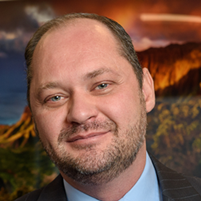
Dustin se especializa en casos de accidentes graves y lesiones en Utah y Idaho, practicando en tribunales estatales y federales. Es reconocido como "El Elite Jurídico de Utah", "La Estrella de las Montañas de los Estados del Oeste" y miembro de The National Trial Lawyers Top 100. Tiene una calificación Avvo Superb y está activamente involucrado en asociaciones legales, desempeñando el cargo de juez pro tempore en el Tribunal Supremo de Utah. Nacido en Utah, Dustin obtuvo sus títulos universitarios en la Universidad de Utah. Vive en Farmington con su esposa y sus tres hijos, disfrutando del tiempo con ellos, volar y realizar diversas actividades al aire libre.
Programar su
Consulta gratuita