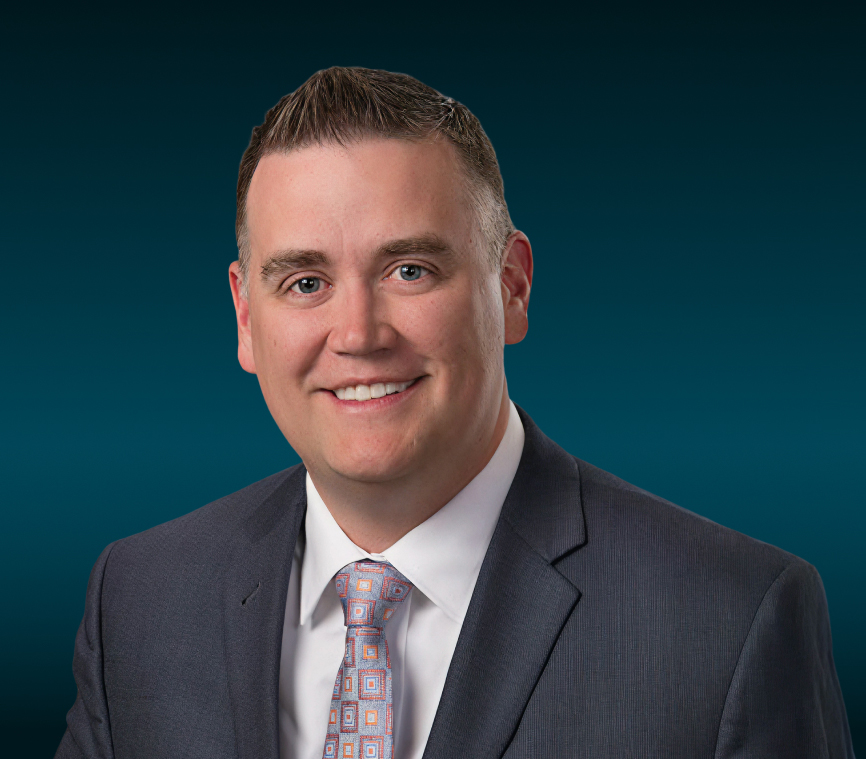
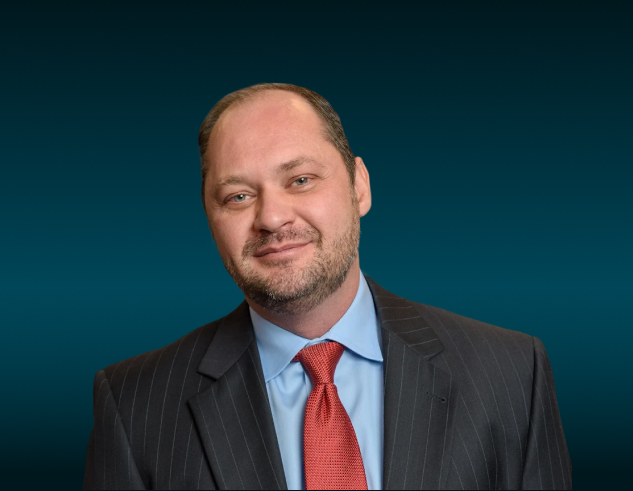
This page was written, edited, reviewed & approved by Dustin Lance and Cole Bingham following our comprehensive editorial guidelines. Dustin Lance, Partner Attorney, has handled many types of personal injury cases and is licensed in Utah and Idaho. Cole Bingham, Partner Attorney, focuses his practice on personal injury and wrongful death claims and is licensed in Utah. Before joining the firm, he spent years representing insurance companies, so he knows how insurers defend the claims our clients bring.
Key Takeaways:
Don't accept a settlement offer until you know the extent of your injuries, every insurance option, and what the release takes away. The adjuster may call with a number while you are still scheduling surgery and watching paychecks disappear. That early figure rarely accounts for the treatment, lost income, and daily limits the crash may bring over the coming years.
At Lance Bingham Utah Personal Injury Lawyers, we test each offer against your medical records, all available coverage, and the laws that shape an injury claim. Insurance companies use trained adjusters to protect their bottom line, and you need an advocate to protect yours. Before you sign anything, you can ask our team to review the offer and explain the legal options available to you.

Serious injuries rarely reveal their full cost in the first few weeks. An insurer also knows that an injured person facing medical expenses and missed work may take a smaller sum now rather than wait. That gap between the first number and your real losses is where insurers gain leverage.
Doctors use the term maximum medical improvement for the point when your condition has stabilized, and future care can be predicted. Before that point, nobody can reliably price the surgeries, therapy, or work restrictions that may follow.
Consider a broken ankle that seems to heal well in a cast. Months later, a surgeon may recommend a second procedure and several more weeks away from work. An offer accepted before that diagnosis would not account for those costs or your lost earning capacity.
State insurance rule R590-190 on unfair liability claims practices requires a substantive response within 15 days of a request for one. The insurer generally has 30 days to accept or deny a claim, with more time allowed if it cannot complete its investigation.
An adjuster who says an offer expires Friday is setting a negotiating deadline on their own. Learning how long a car accident case takes to settle can help you resist that pressure.
Accepting an offer is not a handshake you can revisit later. Before it pays, the insurance company will require you to sign a release.
According to the Utah Insurance Department's guidance on auto claims, the release means the offered amount is the only amount you will ever receive from the other driver and their insurer. The Department warns you to be sure before you cash the check or sign. You must either accept a final settlement or file a lawsuit within the statute of limitations, which is 4 years from the accident for most bodily injury claims.
Picture signing for $40,000 in March and learning in June that you need a second spinal surgery. Under that release, the other driver's insurer pays nothing more toward the new surgery.
A sound decision depends on facts the insurer may never volunteer. Before you respond to any number, work through the following questions:
These answers feed directly into how car accident settlements are calculated, so skipping any of them can leave real losses off the table.
If an adjuster is pressing you for an answer this week, call us at (801) 869-6800 before you sign. We will review the offer against your records and show you what, if anything, it leaves out.
Adjusters apply state law when they build an offer, and they rarely explain their reasoning. Knowing these rules helps you spot a number that rests on a weak legal argument.
If you carry, or must carry, personal injury protection coverage, Section 31A-22-309 of the state insurance code limits car accident lawsuits for general damages, including pain and suffering. That claim requires death, dismemberment, permanent disability or impairment based on objective findings, permanent disfigurement, a bone fracture, or medical expenses over $3,000.
Suppose a rear-end crash cracks a bone in your wrist but your medical expenses total only $2,400. The fracture alone meets the threshold, so a low medical total does not by itself block your pain and suffering claim.
The state follows comparative fault, which divides responsibility among everyone involved. Under Section 78B-5-818 of the judicial code, you may recover only from parties whose combined fault exceeds your own, and no defendant pays more than its assigned share.
Say your damages total $100,000 and a jury assigns you 20% of the fault. The at-fault driver is responsible for its 80% share, or $80,000, while an even 50-50 split would bar recovery from that driver. Because every percentage point affects real money, a fault accusation often comes with a reduced offer.
Section 31A-22-304 of the state insurance code sets minimum bodily injury liability coverage at $30,000 per person and $65,000 for two or more people in one accident. A single hospital stay after a serious crash can exceed those limits.
Under Section 31A-22-305.3, your underinsured motorist coverage is added on top of the at-fault driver's liability coverage. That same law requires you to file an underinsured motorist claim within 4 years of the settlement check date for the last liability policy payment. Because that check starts the clock, we coordinate both claims before you sign.
Our guide to filing claims against underinsured drivers explains how these claims work alongside the at-fault driver's coverage.
An insufficient initial offer is where our work starts, not where your claim ends. At Lance Bingham Utah Personal Injury Lawyers, our attorneys negotiate your claim personally instead of passing it to a claim handler. When an offer falls short, we respond with the following steps:
Each step builds a documented record the insurer must respond to.
The state also regulates claim handling through its unfair claims settlement practices rules and laws, which cover auto and liability claims. We watch for conduct that crosses those lines.
In most cases, no, because a signed release is written to end the claim permanently. We review your prognosis and future treatment before you decide on any offer.
Yes. The state Insurance Department's auto claim guidance says an insurer may not refuse an agreed property damage payment because your injury claim remains open.
Your claim continues, and you can counter, keep negotiating, or file a lawsuit before the statute of limitations runs. We handle those negotiations directly with the adjuster.
It can, because Section 31A-22-305.3 starts a 4-year deadline for your underinsured motorist action on the date of the last liability settlement check. We coordinate both claims before you sign.
If Medicare made conditional payments, Medicare's recovery rules require repayment from a liability settlement, and health plans may also seek reimbursement. We identify these claims before any settlement is final.
An adjuster can withdraw an offer, but that date is not your legal deadline to pursue the claim. We confirm the statute of limitations that actually applies before responding.

When you are hurting, and the bills keep coming, a single settlement number can hide an underinsured motorist deadline, a Medicare repayment claim, and a fault argument you never saw.
Lance Bingham Utah Personal Injury Lawyers is a non-advertising firm, and our attorneys bring nearly 40 years of combined experience to insurance negotiations. Attorneys Dustin Lance and Cole Bingham handle client claims directly and will travel to you anywhere in Utah.
We examine the release language, every available policy, and any repayment claims before you commit to a number. We explain what an offer covers and what it gives away before you decide.
Before you accept a settlement offer, let us review it during a free case evaluation. Our team is available 24/7 at (801) 869-6800, or you can reach us through our contact page.
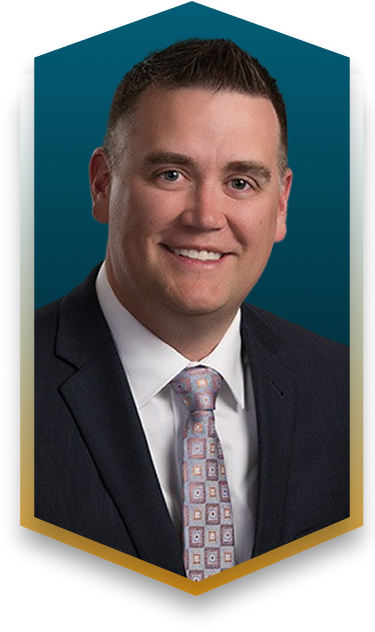
Cole Bingham is a co-founder and partner at Lance Bingham, where he represents injured Utahns and their families in cases involving vehicle crashes, bicycle accidents, dog bites, and wrongful death. Earlier in his career, Cole spent years representing insurance companies, and he now applies that insight to challenge insurers' tactics on behalf of injured clients. A graduate of the S.J. Quinney College of Law with High Honors, Cole has been named a Mountain States Super Lawyer and one of Utah Business's Legal Elite.
Lance Bingham Utah Personal Injury Lawyers
250 E 200 S #1050, Salt Lake City, UT 84111
Phone: (801) 383-2922

Schedule Your
Free Consultation